

Key Takeaways
- Crow’s feet develop through a combination of facial movement, skin ageing, environmental exposure, and lifestyle factors.
- The eye area contains thinner skin and less structural support than many other facial regions.
- Different treatment approaches target different contributors, such as muscle activity, skin quality, or tissue laxity.
- Regenerative treatments may support the skin’s natural repair processes, while energy-based treatments can help stimulate collagen remodelling.
- Professional assessments at aesthetic clinics in Singapore can help identify the underlying causes and guide treatment planning.
Introduction
Many people first notice crow’s feet when they start to linger after smiling or appear more prominent in photographs. While these fine lines around the eyes are often associated with facial expressions, there is usually more happening beneath the surface.
Below, we take a closer look at the causes of crow’s feet and the treatment options available at AEON Medical and Aesthetic Centre to support skin quality and resilience.
What Causes Crow’s Feet to Form?
Crow’s feet are not caused by a single factor. Instead, they arise from the interaction between repeated movement and gradual changes within the skin itself.
1. Repeated Facial Expressions
The muscles around the eyes are among the most active muscles in the face. Smiling, laughing, squinting, and blinking repeatedly folds the skin at the outer corners of the eyes throughout the day.
In younger skin, these expression-related creases typically disappear once the face relaxes. As the skin becomes less elastic over time, however, repeated folding can make these lines increasingly visible. These are often referred to as dynamic wrinkles.
2. Natural Ageing and Changes in Skin Structure
The skin around the eyes is thinner and contains less collagen and elastin than many other areas of the face. As part of the natural ageing process, collagen production gradually declines, and existing collagen fibres become less organised. This, in turn, affects the skin’s repair processes, reducing its ability to recover from repeated movement and daily environmental stress.
3. From Dynamic Lines to Static Wrinkles
Over time, dynamic wrinkles may gradually transition into static wrinkles. Unlike dynamic lines, static wrinkles remain visible even when the face is at rest.
When repeated folding occurs alongside age-related changes in skin structure, creases become more deeply etched into the skin. As a result, dynamic eye wrinkles that were once visible only when smiling or squinting may eventually become more permanent crow’s feet.
Factors That Can Accelerate Crow’s Feet Formation
Several external factors can accelerate the development of crow’s feet by affecting collagen integrity and skin repair capacity.
1. Sun exposure
Sun exposure is one of the most significant contributors. Ultraviolet (UV) radiation promotes the breakdown of collagen and elastin, reducing skin elasticity over time.
2. Lifestyle Habits and External Stressors
Lifestyle and environmental factors such as smoking, chronic stress, inadequate sleep, poor nutrition, and pollution-related oxidative stress may also affect the skin’s ability to maintain and repair itself.
3. Genetic
Genetics can influence baseline skin characteristics, including collagen density, skin thickness, and the timing of when signs of ageing become visible. As a result, some individuals may develop crow’s feet earlier than others despite having similar lifestyle habits.
A Personalised Approach to Managing Crow’s Feet
It is important to select treatments based on the underlying causes of your fine lines. At AEON, we may recommend a combination of treatments and strategies to help target these root causes.
1. Botulinum Toxin for Dynamic Wrinkles and Expression Lines
If your eye wrinkles are primarily dynamic and caused by repetitive movements, doctors may consider botulinum toxin as part of a treatment plan. This injectable treatment temporarily reduces muscle activity in the treated areas, which can help reduce repetitive skin folding and dynamic wrinkles.
2. Skin Tightening Treatments for Skin Laxity and Wrinkles
For individuals with skin laxity around the eyes, radiofrequency (RF) skin tightening treatments may be recommended to support collagen remodelling and improve tissue firmness. These treatments deliver controlled thermal energy into targeted tissue layers, stimulating collagen production and renewal. Over time, this helps support the skin’s structural integrity, potentially reducing the appearance of wrinkles associated with age-related changes in skin elasticity.
3. Regenerative Treatments for Skin Quality and Repair
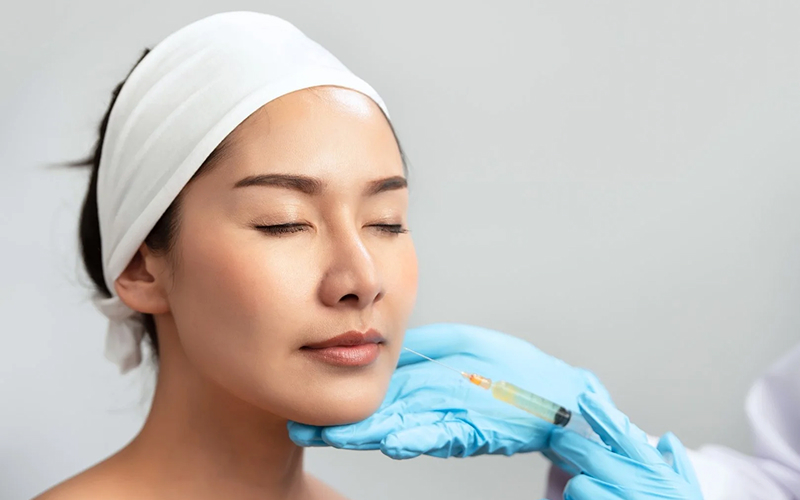
In some individuals, reduced skin quality and repair capacity can make fine lines more visible. In these cases, our doctors may recommend polynucleotide (PN) skin booster treatments that are specifically formulated with a lighter consistency suitable for the delicate eye area. Unlike treatments designed to add volume or alter muscle activity, PN skin boosters stimulate fibroblast activity and support the skin’s natural repair processes, helping to improve overall skin quality.
Treatment is typically performed over a series of sessions to allow regenerative processes to occur progressively. Depending on the individual’s needs, PN treatments may also be combined with laser treatments or other injectables as part of a personalised treatment plan.
Everyday Habits To Help Prevent Eye Wrinkles
1. Be Gentle With the Eye Area
Excessive rubbing, aggressive makeup removal, and frequent skin pulling can contribute to irritation and place additional stress on the thinner tissue around the eyes. Use gentle cleansing techniques and avoid unnecessary friction to help support skin integrity.
2. Prioritise Hydration
The skin around the eyes contains fewer oil glands than many other areas of the face, making it more prone to dryness. Using moisturisers and eye-area products that support hydration helps maintain skin quality, support barrier function, and minimise the appearance of dehydration-related fine lines.
3. Adopt Healthier Lifestyle Habits
The skin carries out many of its repair and maintenance functions while the body is at rest. Consistent sleep, balanced nutrition, stress management, and avoiding smoking can help support the biological processes involved in skin repair and long-term skin health.
4. Choose Skincare Products Formulated for the Eyes
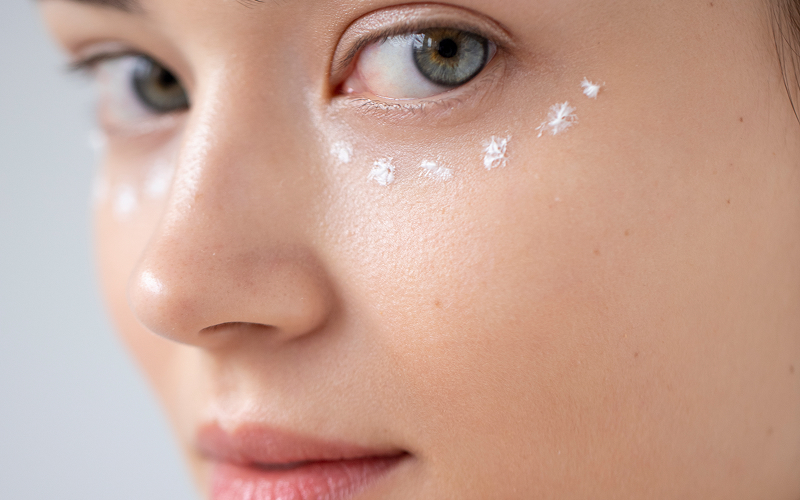
The skin around the eyes is thinner and more prone to irritation than many other areas of the face. When selecting skincare products, it may be helpful to look for formulations that support hydration and skin barrier function while being suitable for the delicate eye area.
Depending on your individual skin needs, ingredients such as hyaluronic acid, ceramides, peptides, and antioxidants may be incorporated into your routine. As with any active skincare product, introduce new ingredients gradually to minimise irritation.
Conclusion
Crow’s feet are rarely caused by a single factor. That is why a comprehensive, multi-factorial 블로그 9: 환경 스트레스 요인이 피부 회복과 외모에 미치는 영향 approach is needed to help prevent and smooth these wrinkles. At AEON Medical & Aesthetic Centre, we use detailed consultations and VISIA skin analysis to assess factors such as skin quality, repair capacity, facial movement patterns, and overall skin health. This allows us to develop personalised treatment plans that address the underlying contributors to crow’s feet while supporting your long-term skin health.
Schedule a consultation with our doctors today.