
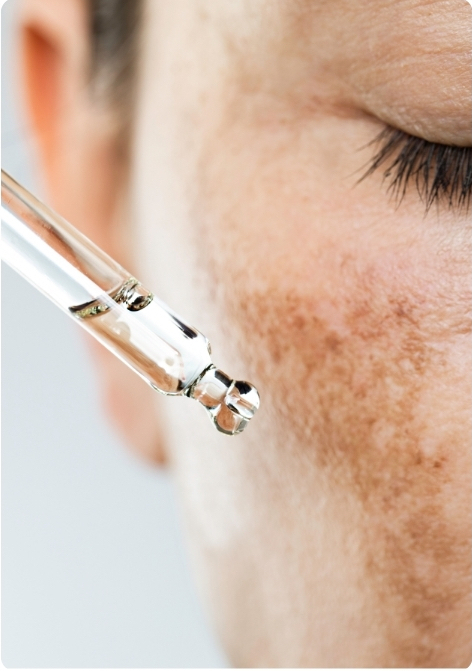
What is Skin Pigmentation?
Depending on the culture, skin colour and tone can have different meanings and importance. All individuals have an inherent skin colour and type but environmental factors – especially UV exposure – play a major part in the change of one’s skin colour/tone over time.
However, pigmentation conditions (dyschromia) where there is an abnormal accumulation of pigmentation, can be a cause of stress, anxiety and even severe health implications (skin cancer). For this reason, pigmentation removal in Singapore is typically approached with careful clinical assessment. Here we will discuss only cosmetic pigmentation disorders (hyperpigmentations).
Melanin is the main substance in the skin that is responsible for skin colour. The melanin molecules are present inside small pockets called melanosomes produced by melanocytes. The melanin present in the skin is the main source responsible for human skin colour. The activity and interaction with skin cells (keratinocytes) account for differing skin colour and skin types in varying ethnicities.
Hyperpigmentation is a common skin condition that occurs when patches of skin become darker than the surrounding skin due to an excess of melanin production. It can affect people of all ages, genders, and skin types. It can also affect any part of the body, including the face, arms, hands, and legs. Hyperpigmentation treatment in Singapore often involves different modalities, as the treatment process of how to get rid of pigmentation on skin involves different modalities.
What Causes Pigmentation on Skin?
Pigmentation on the skin develops when melanin production becomes uneven or excessive. While everyone has an inherent skin colour and type, a combination of internal and external factors can disrupt normal pigment regulation over time. Understanding the underlying triggers is an important step before considering any form of treatment, as different causes require different clinical approaches. Research has identified several skin pigmentation causes that commonly contribute to these changes.
Sun Exposure (UV Damage)
Excessive and repeated sun exposure is one of the most common causes of pigmentation. Ultraviolet radiation stimulates melanocytes to produce more melanin as a protective response. Over time, this can lead to persistent dark patches, especially on areas frequently exposed to the sun such as the face, arms, and hands.
Hormonal Changes
Hormonal fluctuations, particularly during pregnancy, menopause, or periods of hormonal imbalance, can trigger pigmentation. Conditions such as melasma are often linked to hormonal influences, where increased melanin production results in symmetrical patches of discolouration on the face.
Genetics
Genetic factors play a role in how an individual’s skin produces and distributes melanin. Some people are more predisposed to developing pigmentation issues due to inherited skin characteristics, which may affect how the skin responds to sun exposure, inflammation, or injury.
Inflammation (Post-Inflammatory Pigmentation)
Inflammation caused by acne, eczema, allergic reactions, or skin treatments can lead to post-inflammatory pigmentation. As the skin heals, excess melanin may be deposited in the affected area, resulting in darkened spots that persist even after the original condition has resolved.
Medications
Certain medications, including some antibiotics and hormone-related drugs, can cause pigmentation as a side effect. These changes may appear as black, brown, or reddish patches on the skin and can vary depending on dosage, duration, and individual skin sensitivity.
Skin Injuries or Trauma
Cuts, burns, aggressive skincare practices, or repeated friction can disrupt the skin’s healing process. In some cases, this leads to increased melanin production at the site of injury, causing pigmentation that may take time to fade.
If pigmentation is accompanied by other skin concerns such as dryness, flaking, or redness, overall skin health should also be addressed. For severely dehydrated skin, speaking with an aesthetician about appropriate skin dehydration treatment may support better treatment outcomes.
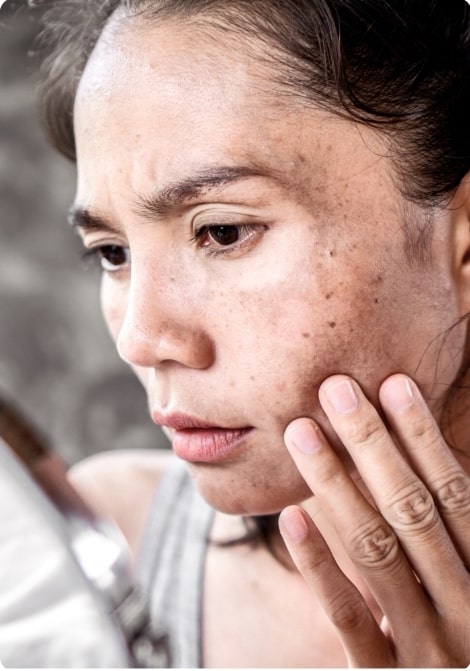
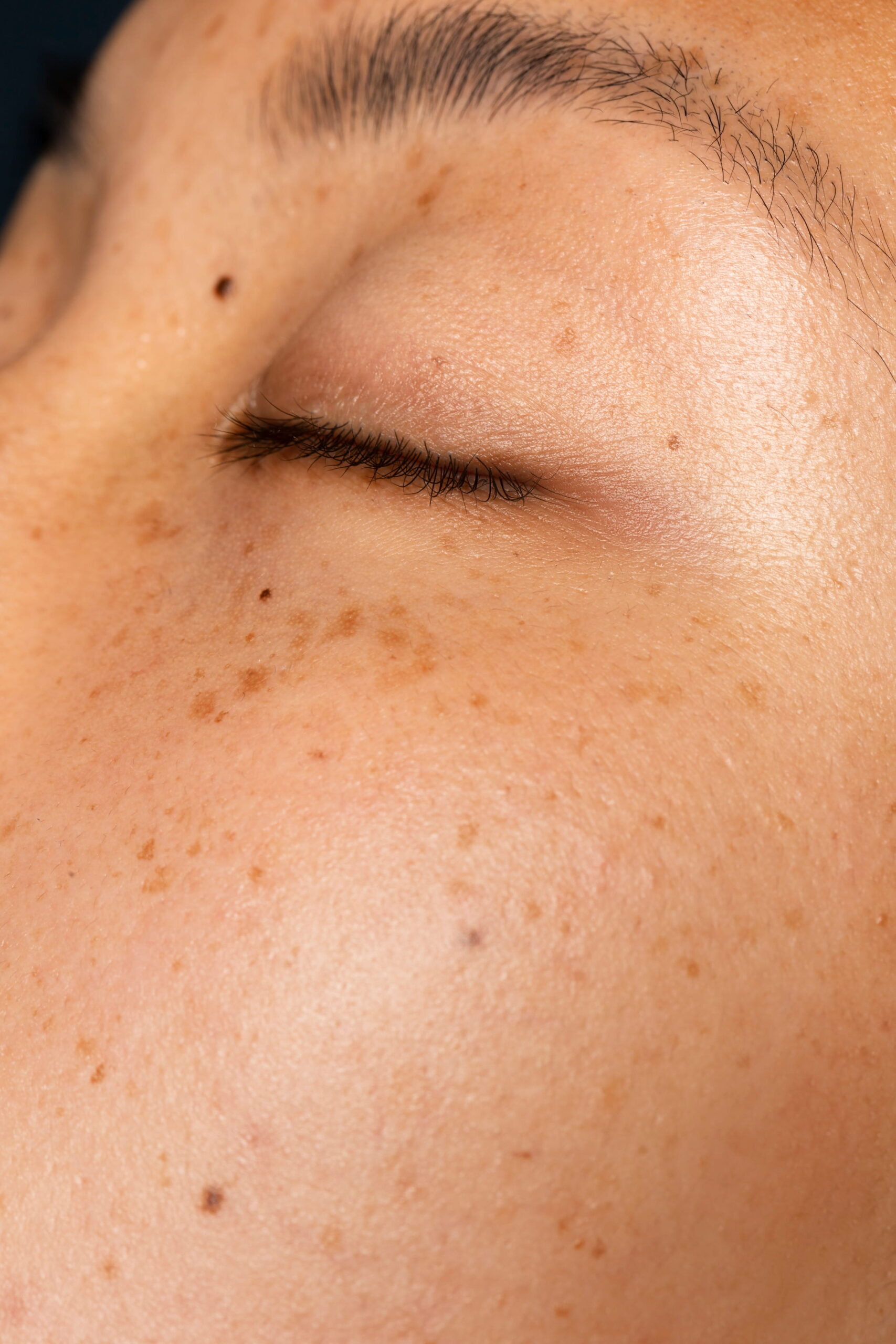
Signs of Skin Pigmentation to Look Out For
Skin pigmentation can present in different ways depending on the underlying cause, skin type, and duration of the condition. These changes are not always limited to colour alone and may be accompanied by shifts in skin texture or overall skin health. Recognising these signs early allows for more accurate assessment and appropriate management.
Dark Patches or Spots
One of the most common signs of pigmentation is the appearance of darkened patches or spots that are noticeably different from the surrounding skin. These areas may range from light brown to darker shades and can vary in size, shape, and distribution. They often develop on sun-exposed areas such as the face, hands, and arms, but may also appear elsewhere on the body.
Texture Differences
Pigmented areas may sometimes feel different to the touch compared to surrounding skin. Some patches appear smoother, while others may feel slightly rough or uneven, particularly when pigmentation is linked to prior inflammation, acne, or skin injury. Texture changes can offer clues about how deeply pigmentation is affecting the skin layers.
Associated Skin Changes
Pigmentation can occasionally be accompanied by other skin concerns such as dryness, flaking, redness, or increased sensitivity. When the skin barrier is compromised, dehydration may make pigmentation appear more pronounced or uneven. In such cases, addressing overall skin health, including appropriate treatment for skin dehydration, may support better skin balance alongside pigmentation management.
As with all skin concerns, an individual assessment helps determine whether these signs are linked to pigmentation alone or influenced by other underlying skin conditions.

Types of Skin Pigmentation Disorders
Skin pigmentation is usually diagnosed based on a visual examination of the affected skin. The first step in treating pigmentation is identifying the type. Skin analysis devices with special light can allow additional visualisation of some pigmentations. In some cases, a skin biopsy may be performed to rule out other skin conditions. Once the type has been identified, your dermatologist can recommend effective pigmentation treatment in Singapore.
Melasma
Melasma is a type of hyperpigmentation that is caused by hormonal changes and typically occurs on the face. It is more common in women than in men, and it often develops in women of childbearing age. It is a chronic condition and difficult to treat.
Solar Lentigos
These lesions are more common in men of older age and usually are flat and round. Sizes can vary and are commonly seen on the face and back of hands. UV radiation is usually the main cause.
Freckles (Ephelises)
Freckles are small, flat, circular spots that appear on the skin, usually in areas exposed to sunlight. They are most commonly found on the face (upper cheeks, nose), arms, and shoulders. Freckles are usually harmless and are more commonly seen in fair-skinned individuals. They can vary in size, colour, and density and tend to darken with sun exposure.
Post-Inflammatory Hyperpigmentation (PIH)
This is a type of hyperpigmentation that develops after a type of inflammation (acne, eczema, sunburn) or skin injury. It can also occur after a type of energy-based device (IPL, laser, etc). It is more common in people with darker skin tones.
Types of Skin Pigmentation Treatments Available in Singapore
Complete “cure/removal” of hyperpigmentation is theoretically and empirically not possible since melanin will always be part of the skin, but with proper preventive measures and treatment, they can be improved. Recurrence of hyperpigmentations can occur after treatments in the clinic and is dependent on multiple factors. Proper application of sunscreen when outdoors and sun avoidance habits are essential in the treatment of skin pigmentation as well as a major part of how to prevent skin pigmentation.
Over-the-counter and prescription topical skin pigmentation creams and ointments containing cysteamine, niacinamide, hydroquinone, retinoids, or kojic acid may be used to lighten dark spots and even out skin tone.
Chemical peels involve applying a chemical solution to the skin to remove the outer layer and reveal smoother, brighter skin.
Laser pigmentation treatment involves the use of lasers of various wavelengths, and pulse durations to reduce melanin in the skin. Laser treatment for pigmentation is considered an effective pigmentation removal technique.
It can reduce some more superficial hyperpigmentation but requires caution in darker-skin individuals and those with repeated, prolonged sun exposure.
Some studies show a reduction in hyperpigmentation after PDRN treatment.

Find the right doctor for skin pigmentation treatment in singapore
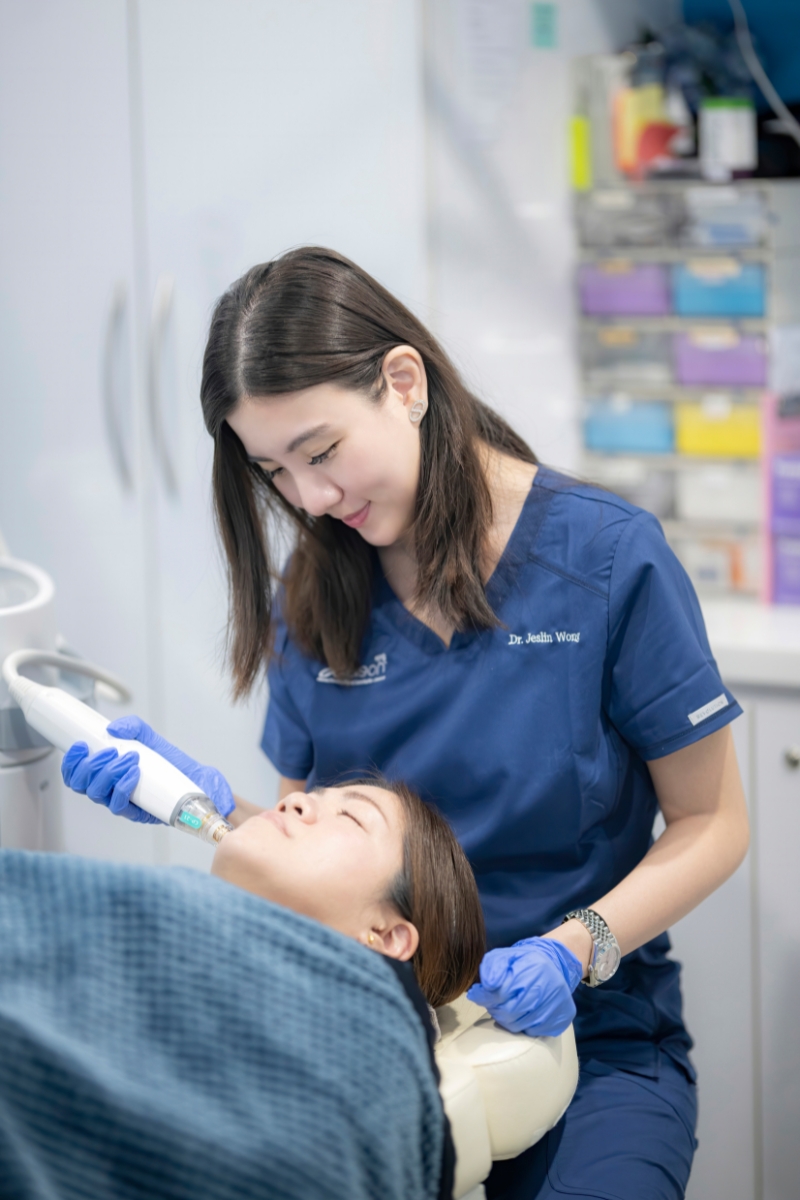
Finding the right specialist for hyperpigmentation treatment is key to achieving an even, radiant complexion. With Dr Jeslin’s years of experience, you can be assured that Aeon Medical will come up with an effective treatment plan for lightening of hyperpigmentation.
By customising treatment plans based on individual needs and using several technologies, we can effectively improve your skin pigmentation issues in Singapore. Book an appointment with us today!
FAQs about Hyperpigmentation Treatment in Singapore
Available treatments may vary depending on the type and depth of pigmentation. Common options include:
- Laser-based treatments such as Pico or Q-switched lasers
- Chemical peels to support surface renewal
- Topical lightening agents, including prescription creams
- Clinical facials or deep cleansing treatment approaches as part of ongoing skin care
In some cases, a skin rejuvenation treatment plan may be considered to address overall skin condition alongside pigmentation concerns.
Laser treatments are generally considered suitable when performed by a qualified medical professional. The approach and settings are usually adjusted based on individual skin type and pigmentation concerns. Some individuals may experience temporary redness or mild irritation following treatment.
The number of sessions can vary depending on the type of pigmentation and individual skin response. Some may undergo a few sessions, while others may require a longer treatment course. A consultation helps guide the treatment plan based on your specific condition.
Vitamin C is commonly included in skincare routines for its antioxidant properties. It plays a role in supporting overall skin health and may be used as part of a routine that addresses uneven skin tone.
Melanin production is influenced by several factors, including hormones such as melanocyte-stimulating hormone (MSH). Higher levels of this hormone can be associated with increased melanin production, which may contribute to visible pigmentation.
Vitamin E is known for its role as an antioxidant and is often used in skincare to support the skin barrier. It may be included as part of a broader skincare routine, sometimes alongside options such as hyaluronic acid booster injections, depending on individual skin needs.
A balanced diet that includes fruits and vegetables rich in antioxidants, vitamins, and minerals may support overall skin health. Foods such as tomatoes, leafy greens, berries, and citrus fruits are commonly included in general wellness recommendations.
Skin pigmentation does not always remain unchanged over time. Its appearance can vary depending on factors such as sun exposure, skin care habits, and individual skin condition. Management approaches may help address how pigmentation appears, although outcomes can differ from person to person.
Disclaimer
The information provided on this website is for educational purposes only and is, in no way, intended to be a substitute for professional medical advice, diagnosis, or treatment. We make no representation or warranty of any kind regarding the accuracy, availability, adequacy, or validity of the information or procedures outlined on the website. Always consult professional medical and aesthetic advice for your skincare and medical concerns.
References:
- "Skin Pigmentation Disorders", National Library of Medicine, https://medlineplus.gov/skinpigmentationdisorders.html
- Amin Mahmood Thawabteh, Alaa Jibreen, Donia Karaman, Alà Thawabteh, and Rafik Karaman, "Skin Pigmentation Types, Causes and Treatment—A Review", National Library of Medicine, National Center for Biotechnology Information, 2023, https://www.ncbi.nlm.nih.gov/pmc/articles/PMC10304091/
- Seemal R. Desai, MD, FAAD, "Hyperpigmentation Therapy: A Review", National Library of Medicine, National Center for Biotechnology Information, 2014, https://www.ncbi.nlm.nih.gov/pmc/articles/PMC4142815/
Contact Us
Call us anytime
Talk to our friendly AEON team by filling out the form. We will get back to you within 2-3 working days. For a faster response, contact our hotline below.
9 Scotts Rd, #06-01/02/03 Scotts Medical Centre, Pacific Plaza Singapore 228210