
Our Clinic’s Beliefs
What is Skin Dehydration?
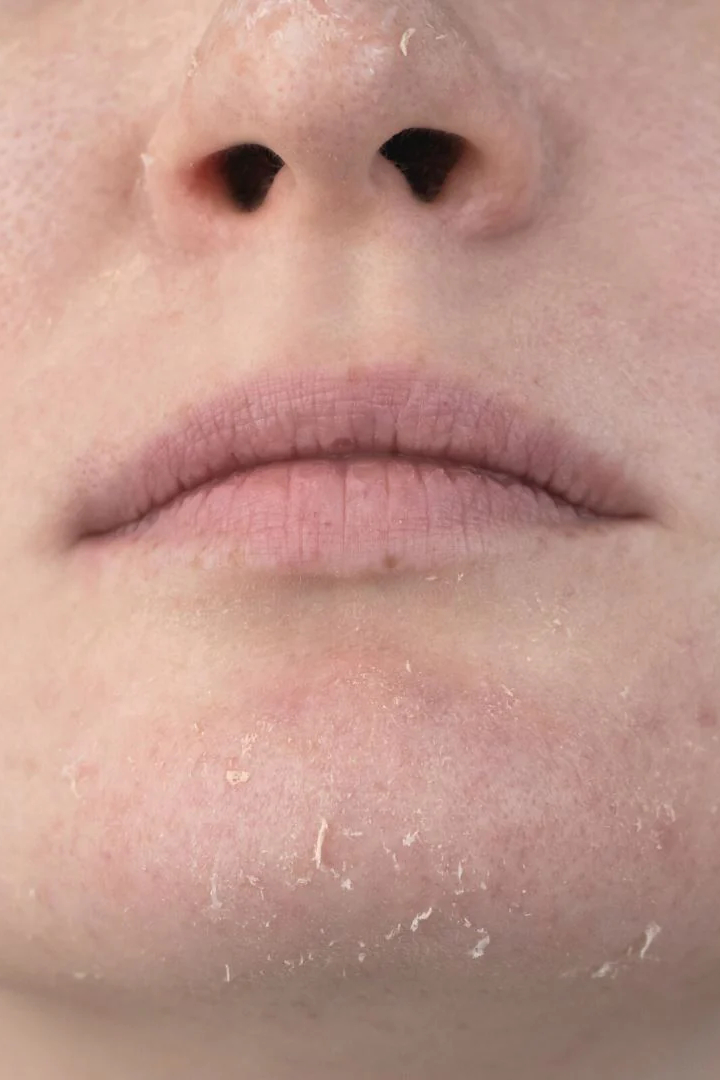
Dry skin is also known as “xerosis” and can be either congenital or acquired. It can also be mild and hardly noticeable or very severe to the extent that there are serious complications such as infection. Dehydrated skin is a common skin concern that occurs when the skin lacks moisture and becomes dry and flaky.
Dry skin is characterised by the lack of moisture in the layers of the skin. The skin is a natural barrier between the outside world and our body. There are many cells, structures, bonds, and components which make up this barrier. When there are changes in this barrier due to various causes, water loss increases and leads to drier skin.
Skin dehydration causes can be congenital, inflammatory, environmental, and/or ageing. It is always important to firstly rule out any congenital skin diseases that may be causing dry skin. Inflammatory conditions such as rosacea, psoriasis, dermatitis, and eczema can also cause more dryness of the skin.
Environmental causes of skin dehydration include overuse of hot water, detergents, friction from clothing, pollution, frequent air travel, air conditioning, exposure to other chemicals and even stress.
Causes of Dehydrated Skin
There are several reasons for dehydrated skin, including the following:
- Cold weather
- Sleep deprivation
- A lot of stress
- Alcohol and caffeine consumption
- Smoking
- AC conditions
- Cosmetics with high PH levels
Symptoms & Signs of Skin Dehydration
The symptoms and signs of dehydrated skin can vary depending on the type and severity of the condition. Common dehydrated skin symptoms include:

Skin that feels tight and itchy
Rough texture
Fine lines and wrinkles
Dull and tired-looking skin
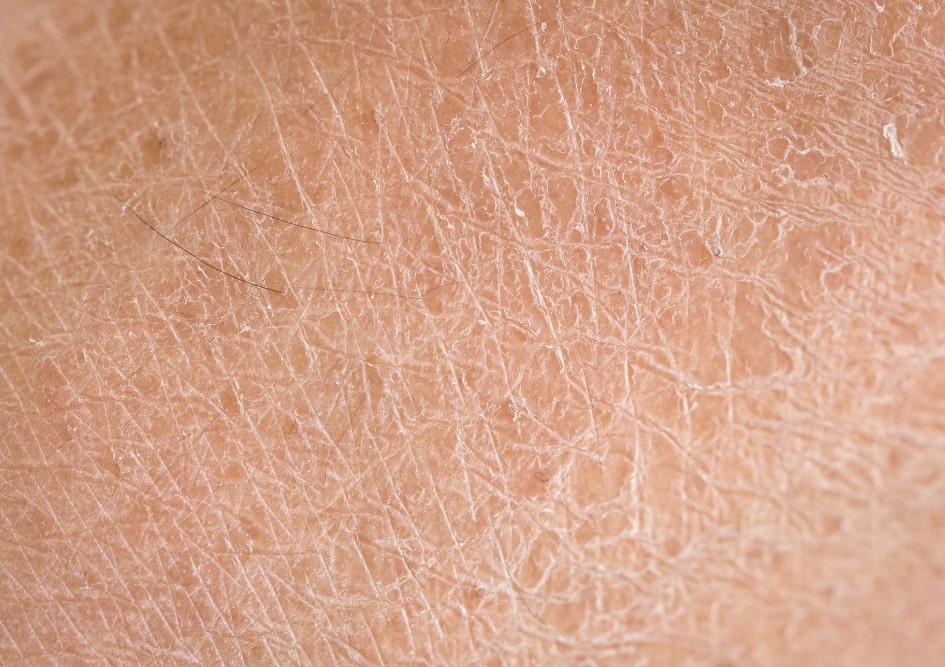
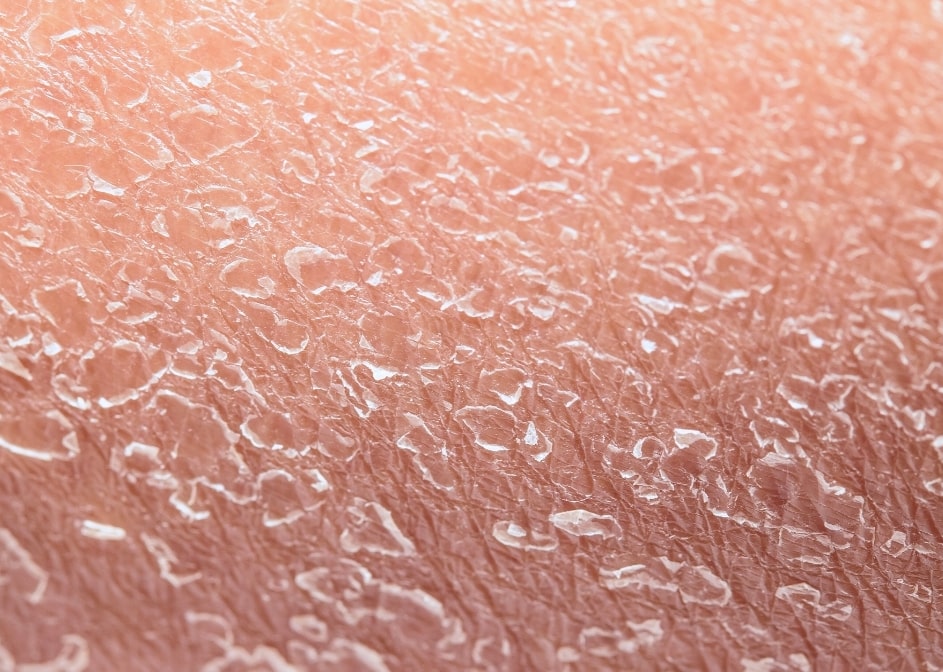
Flakiness, Scaling
Cracks, Fissures
Types of Skin Dehydration
A thorough medical history, including current and past illnesses, lifestyle/environmental factors and family history, is important to assess the causes of dry skin. Unfortunately, there is still a lack of consensus on objective measurements of dry skin and applications in healthcare institutions. Therefore, an assessment continues with a visual examination of the skin and various types of medical photography.
(In some cases, additional tests such as a skin biopsy may be necessary so that suitable treatment options for dehydrated skin can be discussed. Your dermatologist may also advise you on how to test if skin is dehydrated, so it can be addressed)
Mild skin dehydration
Mild skin dehydration is characterised by dry and flaky skin that may feel tight or itchy.

Severe skin dehydration
Severe skin dehydration can lead to cracked and painful skin that may bleed.
Dehydrated Skin Vs Dry Skin – Understand The Difference
Dehydrated skin is not dry skin. Dry skin lacks sufficient oil, leading to roughness, flakiness, and rough marks. On the other end, dehydrated skin lacks water, resulting in tightness and dullness. Dry skin feels rough, while dehydrated skin appears dull and lacks elasticity, often showing fine lines and wrinkles.
Understanding Dry Skin
Dry skin is one of the five most common skin types, alongside oily, normal, combination, and sensitive skin. Its main feature is that it produces a lot less sebum compared to other skin types, leaving your skin feeling dry and possibly looking flaky. In most cases, genetics plays a crucial role in determining your skin type. Look at your parent’s skin; do they have some skincare concerns? Chances are you might also have a similar skin condition. On the other end, external factors also play a crucial role in the quality and texture of your skin. If you live in a cold or dry climate, take hot and long steamy showers, or are not using proper skincare, you might have dry skin issues.
Moreover, as we age, the likelihood of experiencing dry skin increases, especially as the skin’s sebum production diminishes. Collagen levels gradually decline with age.
Understanding Dehydrated skin
Dehydrated skin is quite similar to dry skin in terms of its texture, but it has some distinctive features that have led to it becoming dehydrated and dull. Dehydrated skin lacks moisture and appears dull and tight. Not only that, it can also have increased sensitivity and prominent fine lines. For dehydrated skin types, drinking water and staying hydrated is vital in improving your skin’s texture and radiance. Also, you need to protect your skin from external aggressors.
Skin Dehydration Treatment Options
Treatment options for skin dehydration depend on the severity and type of skin dehydration, as well as the patient’s skin type and medical history. Common treatment options include:
- Lifestyle Modification
- Environmental aggravation avoidance
- Topical cosmeceuticals: Using products that contain hyaluronic acid, glycerin, or other hydrating ingredients are commonly used to support skin hydration. Using a daily serum and moisturiser may reduce the likelihood of further skin dryness.
- Avoiding harsh skincare products: Avoiding products that contain alcohol, fragrances, or other harsh ingredients can help prevent further dehydration. Ingredients such as salicylic acid, glycolic acid, or other exfoliants can cause skin dryness.
- Treatment of any underlying congenital or inflammatory illness
- Drinking water

Skin Dehydration Treatment
Sonophoresis
This technology is used to enhance the delivery of topical skincare products.
Microdermabrasion
A device is used with a motorised abrasive surface to assist in removing surface dead skin cells which may affect the absorption of topical skincare products. However, if the treatment is too frequent or intensive, it may cause more skin irritation and dryness.
Hydro Microdermabrasion
These treatments utilise suction instead of abrasion to remove the dead skin cells, causing less irritation to the skin. Also, simultaneous perfusion of various serums for combating skin dehydration helps to hydrate the skin, enhancing skin appearance.
Local injections
Skin boosters, injections such as polynucleotide or hyaluronic acid based formulations may be used to support skin hydration. Treatments involve injections with topical anaesthesia, and temporary downtime such as small bumps, redness, or mild swelling may occur.
Consult a Doctor for Skin Dehydration Assessment
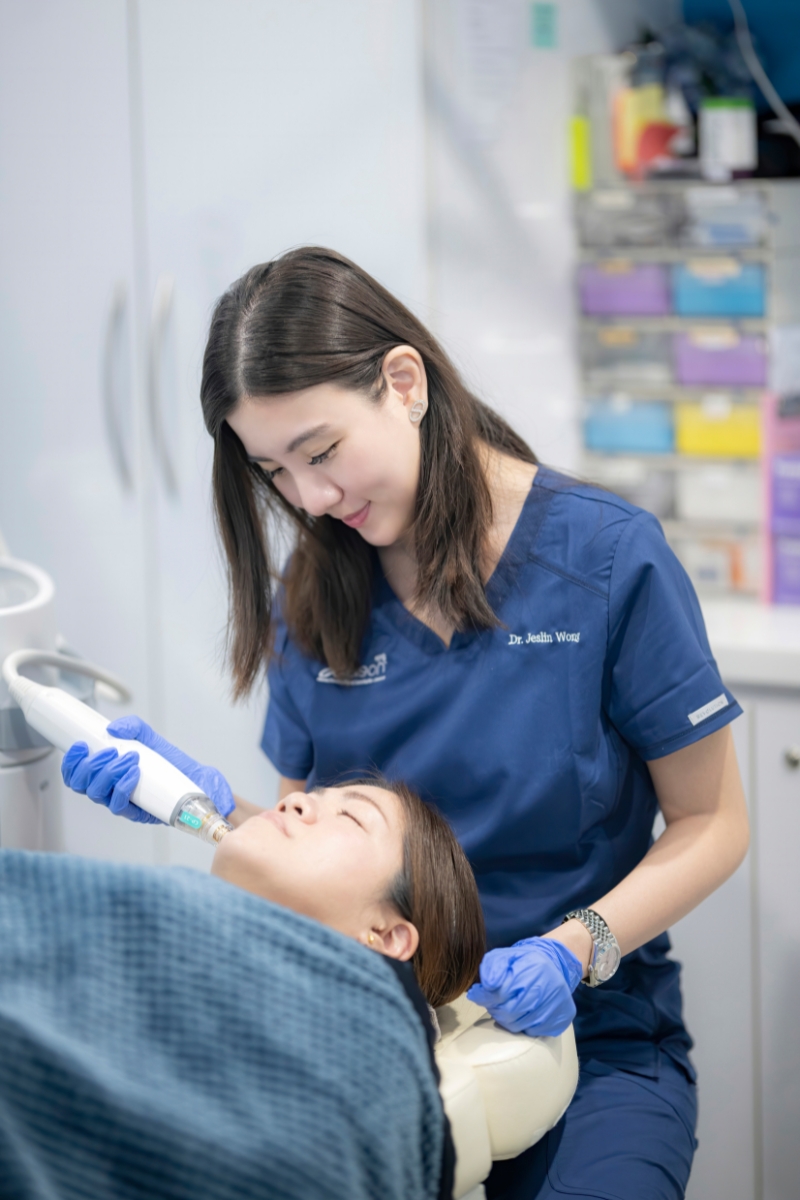
A medical consultation can help assess the causes of dehydrated skin and discuss appropriate management options. At AEON Medical, our medical aesthetic doctor, Dr Jeslin is dedicated to providing personalised treatment based on your unique skin needs.
By customising treatment plans based on individual needs and using the right technologies, treatment options may support skin hydration depending on individual skin condition.
If you would like to discuss management options for dehydrated skin, you may arrange a consultation with the clinic.
Frequently Asked Questions
Skin dehydration treatments vary based on the severity of dehydration and skin type.
- At-Home Care: Using hydrating cleansers, serums with hyaluronic acid, and moisturisers with ceramides or glycerin can help with dehydration. Drinking 2–3 litres of water daily and using a humidifier in air-conditioned spaces is also helpful.
- Professional Skin Dehydration Treatments:
- Hydrating facials (e.g., with collagen masks or aqua infusion) to boost moisture.
- Chemical peels or microdermabrasion to remove dead skin and enhance product absorption.
- Laser or LED therapies may be used as part of treatments addressing skin barrier support.
- Injectable skin boosters (e.g., hyaluronic acid fillers) for deep hydration.
- Lifestyle Adjustments: Reduce caffeine, avoid harsh soaps, and protect skin from sun exposure with SPF 30+.
The time it takes to see results from skin dehydration treatments depends on the treatment:
- At-Home Care: Daily use of hydrating products can improve skin feel.
- Professional Facials: These may provide temporary improvement in skin hydration.
- Skin Boosters or Lasers: Response to treatment varies depending on individual skin condition.
Keeping the skin hydrated is crucial to preventing dehydration and enjoying a long-lasting, radiant complexion. In most cases, you should:
- Limit your alcohol consumption, along with your caffeine intake. Avoid ciders, wine, and energy drinks.
- Sleep for 7-9 hours to promote a youthful glow.
- Eat a lot of fruit and vegetables that are filled with fibre.
- Drink 2-4 litres of water a day (this can vary depending on your height, gender, and physical activity levels).
Although the humidity during warmer months can enhance moisture levels, sun exposure may lead to dehydration. Gentle exfoliation may help remove surface dead skin cells and support the application of moisturising products. Using sunscreen when exposed to sunlight may help protect the skin.
The main purpose of a hydrator is to absorb water into your skin, while a moisturiser seals in the moisture well into your pores. Some examples of moisturisers are emollients, squalene, and humectants, while a hydrator is often glycerin, aloe vera, honey, and hyaluronic acid.
Drinking plenty of water not only gives skin its radiance but also promotes healthy organ function for the largest organ in our body. Although hydration from within is beneficial, it may not be entirely sufficient. Therefore, maintaining adequate hydration and using suitable skincare products may support overall skin hydration.
You can perform the pinch test by taking a small section of skin from your cheek, abdomen, chest, or the back of your hand, holding it for a few seconds and then letting go. Did your skin return to its original position instantly? Or was there a delay in your skin bouncing back? If the skin takes longer to return to its original position, it may indicate reduced skin elasticity, which can be associated with dehydration or ageing.

Disclaimer
The information provided on this website is for educational purposes only and is, in no way, intended to be a substitute for professional medical advice, diagnosis, or treatment. We make no representation or warranty of any kind regarding the accuracy, availability, adequacy, or validity of the information or procedures outlined on the website. Always consult professional medical and aesthetic advice for your skincare and medical concerns.
References:
- Linda J. Vorvick, MD, Clinical Professor, Department of Family Medicine, UW Medicine, School of Medicine, University of Washington, Seattle, WA, National Library of Medicine, 2024, https://medlineplus.gov/ency/article/003281.htm
- Sylvie Verdier-Sévrain, Frédéric Bonté, "Skin hydration: a review on its molecular mechanisms", 2007, National Library of Medicine, National Center for Biotechnology Information, https://pubmed.ncbi.nlm.nih.gov/17524122/
Contact Us
Call us anytime
Talk to our friendly AEON team by filling out the form. We will get back to you within 2-3 working days. For a faster response, contact our hotline below.
9 Scotts Rd, #06-01/02/03 Scotts Medical Centre, Pacific Plaza Singapore 228210