
How Hydration and Skin Structure Relate to Smile Lines
Key Takeaways
- Smile lines are natural facial folds influenced by facial movement and changes within the skin’s structure.
- Skin hydration and elasticity affect how well the skin recovers after repeated expressions.
- Ageing and mid-face volume changes can reduce facial support, making smile lines more noticeable.
- Lifestyle factors, such as sun exposure and skincare habits, can influence skin resilience over time.
- Management approaches may involve medical aesthetic treatments like injectables and dermal fillers alongside supportive lifestyle practices.
Many people first notice smile lines when they start lingering in photos or appearing even when the face is at rest. While these folds are often associated with repeated facial expressions, their visibility is also influenced by deeper changes within the skin. Hydration levels, dermal elasticity, and underlying facial support all play a role in how the skin responds to movement over time.
What are Smile Lines?
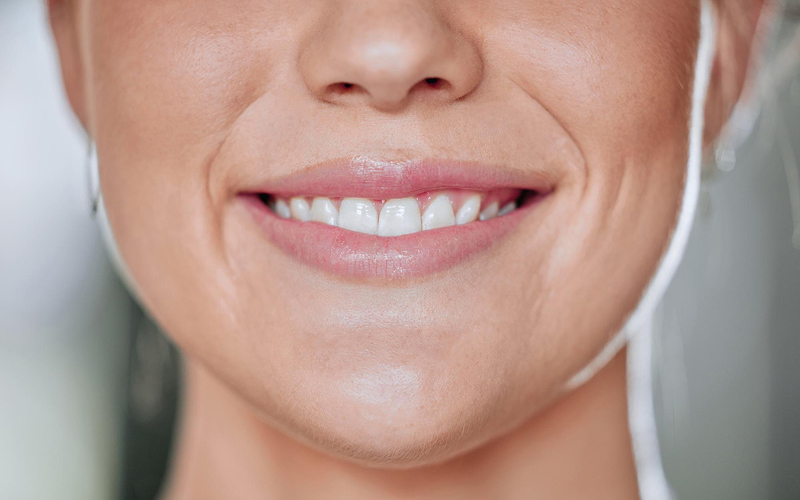
Smile lines, also known as nasolabial folds, are natural facial creases that extend from the sides of the nose to the corners of the mouth. These folds form along the areas where facial muscles move frequently during expressions such as smiling, laughing, and speaking.
In their early stages, these lines may appear mainly during movement. These are sometimes referred to as dynamic wrinkles, which form as the skin folds during facial expressions. Over time, as skin elasticity and structural support gradually change, these lines may remain visible even when the face is at rest. At this stage, they may be described as static wrinkles, reflecting underlying changes in skin structure and connective tissue.
What Causes Smile Lines?
1. Lack of Skin Hydration
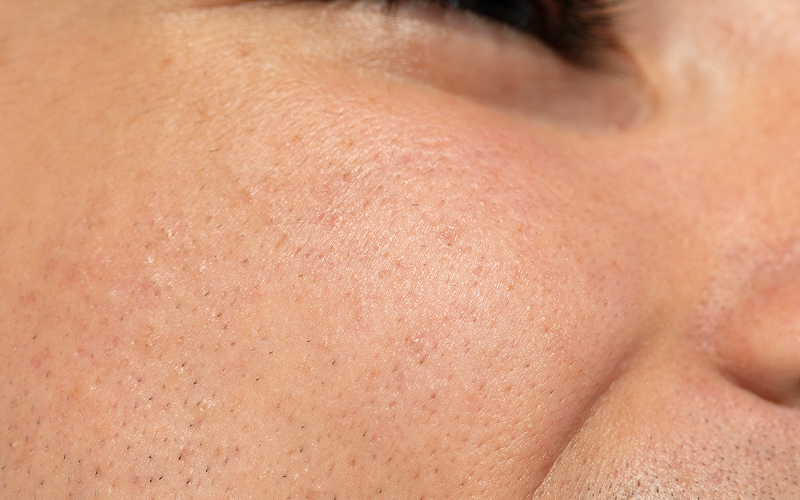
Skin hydration refers to the amount of water retained within the outer and deeper layers of the skin. When hydration levels are balanced, the dermal environment remains more organised, allowing collagen and elastin fibres to function within a stable structural network.
When the skin becomes dehydrated, its elasticity and flexibility may decline. This can affect how efficiently the skin returns to its resting position after repeated facial movements, which may make your natural facial folds appear more noticeable.
2. Ageing and Changes in Skin Structure
Ageing gradually affects the structural components that support the skin. Over time, the activity of fibroblasts slows, leading to reduced production of collagen and elastin. These proteins are responsible for maintaining skin strength and elasticity.
As these structural elements change, the skin may no longer recover as quickly from repeated facial expressions. This reduced resilience can contribute to the gradual formation and deepening of smile lines.
3. Changes in Facial Volume and Reduced Mid-Face Support
The skin is supported by underlying layers of fat, muscle, and bone. These structures help maintain facial contours and distribute tension across the skin during movement.
With age, the mid-face region may experience gradual changes in fat distribution or volume. When support in the cheek area decreases, the skin may fold more easily along natural expression lines, which can make your facial folds appear more defined.
4. Lifestyle and Environmental Factors
Daily habits and environmental exposure can also influence how facial lines develop. Ultraviolet (UV) radiation from the sun may affect collagen stability within the skin, while smoking and chronic dehydration can influence skin resilience.
Over time, these factors can contribute to changes in the dermal structure. Maintaining consistent sun protection, hydration, and supportive skincare may help support the overall condition of the skin.
How to Manage and Reduce Smile Lines
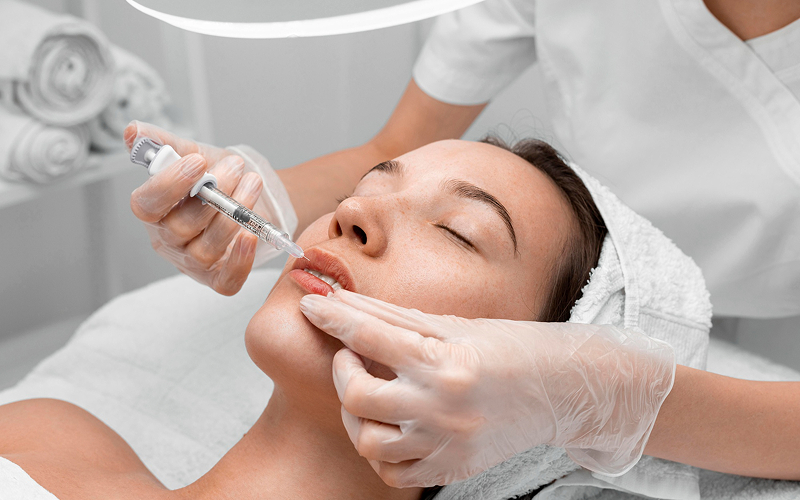
There are several approaches that may be considered when managing nasolabial folds, depending on the underlying factors involved. During consultation, clinicians typically evaluate aspects such as skin hydration, dermal quality, facial volume distribution, and overall structural support. This assessment helps determine whether treatment is appropriate and which methods may be suitable for you.
1. Dermal Fillers
Dermal fillers are injectable treatments designed to restore structural support beneath the skin. In the context of nasolabial folds, fillers may be used to support surrounding areas of the face, such as the mid-face, rather than directly filling the fold itself. This treatment aims to address underlying volume changes that may contribute to the visibility of facial lines.
2. Polynucleotide (PN) Injectables
Polynucleotide injections may be recommended to help support dermal regeneration processes. These treatments are typically intended to improve skin quality by supporting hydration within the extracellular matrix and encouraging fibroblast activity. By influencing the dermal environment, PN injectables may contribute to improved skin resilience over time.
3. Energy-Based Tightening (HIFU)
High-intensity focused ultrasound (HIFU) is an energy-based treatment that delivers focused ultrasound energy to deeper tissue layers beneath the skin. HIFU treatment can be used to stimulate collagen activity within the connective tissue layers and help gradually tighten the skin, particularly in the cheeks, forehead, and around the eyes.
4. Hyaluronic Acid Skin Boosters
Hyaluronic acid skin boosters deliver stabilised hyaluronic acid into the skin to support hydration and tissue quality. Rather than targeting a specific fold or wrinkle, these treatments are typically used to improve overall dermal hydration and elasticity across a broader treatment area. By influencing moisture balance within the extracellular matrix, they may contribute to healthier skin structure over time.
5. Lifestyle and Skin Care Practices
Clinical treatments are often considered alongside daily habits that support overall skin health. Over time, consistent lifestyle and skincare practices may help maintain skin quality and resilience.
- Use daily sun protection: Apply a broad-spectrum sunscreen regularly and minimise prolonged UV exposure.
- Maintain adequate hydration: Drinking sufficient water and using hydrating skincare products may help support moisture balance within the skin.
- Support the skin barrier: Moisturisers containing ingredients such as ceramides or hyaluronic acid may help maintain the skin’s protective barrier and overall flexibility.
- Incorporate antioxidant skincare: Antioxidants such as vitamin C may help support the skin’s defence against environmental stressors.
Conclusion
If you have recently noticed that your smile lines appear deeper in photos or remain visible even when your face is relaxed, it may reflect gradual shifts in skin hydration, elasticity, or mid-face support. Understanding these underlying factors can help guide a more informed approach to managing them.
At AEON Medical & Aesthetic Centre, an aesthetic clinic in Singapore, we provide detailed consultations and use VISIA skin analysis to evaluate the condition of your skin. Schedule a consultation with us today to explore suitable options based on your individual skin profile.