
Is acne getting you down in Singapore’s tropical conditions? You could be one of many who frequently struggle with breakouts – How many times have you experienced acne, or a breakout of some form, and its scarring when the season changes?
Topical creams, gels, and ointments may provide a reprieve; however, many people will find that their acne returns within a few months. Topical creams may have limited effects on deeper inflammation or collagen changes.
Laser treatment for acne may help address acne lesions and post-acne scars, under professional supervision.
Before you decide if laser treatment is the way to go for acne, let’s begin to explain more about how it works and what to expect. See below a quick and easy 1-2-3 guide to get you started:
- Understand the treatment process,
- Find out costs and safety considerations,
- Learn about aftercare advice.
Let’s now begin by discussing the nitty gritty of laser therapy acne, starting with how it works.
What is laser acne treatment?
Laser acne treatment is a non-surgical medical procedure that uses focused light energy to target the underlying causes of acne — mainly acne-causing bacteria and overactive sebaceous (oil) glands. Laser treatment targets Cutibacterium acnes and can help reduce sebum production, which may improve the appearance of the skin over time.
The laser treatment for acne scars has two primary purposes.
- To start, it treats active acne by reducing the production of sebum (natural skin oil) and reducing redness.
- It may also support gradual remodeling of post-acne scars by stimulating collagen, potentially improving skin texture over time.
In general terms, laser treatment for acne is a non-surgical medical procedure intended to address underlying factors that contribute to acne.
Since the laser treats both pigment as well as oil, settings for each patient are individualized.
The Mechanism of Laser Acne Treatment
When thinking about whether you want to proceed with laser acne treatment, you should consider the following questions:
- Have the spots been unresponsive to over-the-counter treatments?
- Do you have scarring that won’t fade with traditional treatments?
- Are you considering a professional in-office treatment to manage persistent acne and its effects?
Thinking about these issues will help you determine if this treatment is a fit for you in relation to your skin care goals.
Different aesthetic clinics customize their laser treatment for acne, but the basic progression is generally the same—skin assessment, numbing and cleansing, the laser, and post care.
Step 1: Skin Assessment
Before your treatment occurs, a qualified physician or aesthetician will assess your skin type, the type and severity of your acne and scarring. This assesment will allow the clinician to determine the best kind of laser and appropriate energy for you skin type.
Step 2: Numbing and Cleansing
The aesthetician will wipe your face to remove any makeup or oils, and apply a comfortable numbing cream.
Step 3: Laser Application
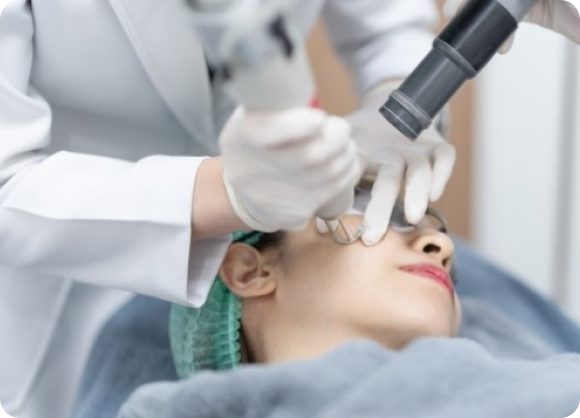
The aesthetician then exposes the skin to a handheld laser that delivers pulses which can reduce oil secretion, kill bacteria, and stimulate collagen. With this laser procedure patients usually experience an immediate snapping sensation or warm tingling sensation.
Step 4: Cooling and Aftercare.
After that, cooling compresses and creams are used. Pico and fractional lasers assist in precision and healing, redness lasting a period of one to two days while shielding surrounding tissue.
Benefits of Laser Acne Therapy
When it comes to treating the skin, laser treatment is an expert-supervised way to attack acne at its source, reduce inflammation, and produce collagen for healthy skin color and texture.
Some key benefits are:
- Support for skin texture
- Collagen stimulation
- Customised energy settings to manage side effects
Safety and Suitability Considerations
Before initiating laser acne treatment, your skin specialist will review the tone of your skin, the type of acne, and its sensitivity to establish the safest parameters. Laser settings are adjusted based on individual skin sensitivity to minimize risks.
Post-Procedure Instructions: The First 48 Hours
- You may notice redness or a burning sensation (akin to a sunburn) after your laser treatment. Cool your skin with cold compresses or cooling lotion as needed.
- Allow your skin a break and promote healing by refraining from wearing any makeup for the next 48 hours.
- Refrain from heated showers, saunas, and exercise to maintain the cool temperature of your skin and reduce post-treatment reactions.
- For 7 days, do not exfoliate, use retinoids, or put on a heavy skin care regimen. Allow your skin to exfoliate on its own and do not pick at any of the skin. Use a fragrance-free moisturizer as prescribed by your doctor.
- Use an SPF 50+ sunscreen daily, and reapply every 2-3 hours in the sun. Wear caps and find shade to minimize the possibility of dark marks while your skin is healing.
How Long Will It Take To See Results?
The number of treatments may vary depending on the severity of the acne, depth of the scars, and other personal factors. Some individuals may notice subtle changes, such as reduced redness or minor spots, after the first treatment.
Treatment plans often involve multiple sessions, and some individuals may notice gradual improvement in scar appearance and skin texture.
Every individual’s healing process is unique and characteristic. A confidential consultation helps in matching the most suitable treatment plan for eventual, natural-looking correction.
Laser Treatment Costs for Acne in Singapore
Prices for laser treatment for acne in Singapore typically range from S$200 to S$600 based on the type of laser, the area of the body treated and the severity of acne. Some lasers correctly pinpoint active comedones; some lasers target scars.
Laser treatment is typically priced higher than facials due to the specialized equipment and professional supervision required. Clinics with the latest equipment and qualified medical professionals are going to be more expensive. The cost of laser treatment can vary slightly between clinics, so be sure to understand the price factors.
Tip: Ask what’s in the cost of treatment: the price of the consultation visit, the topical numbing agent (if used), or the post-care products if you are going to end up adding those same products back in for comparison.
Who Should (and Should Not) Consider Laser Acne Treatment
Laser treatment of the skin is beneficial for resistant acne, residual scarring, and texture irregularities of the skin who have not responded to treatments. It is also helpful for people trying to smooth out their skin / have fewer acne breakouts when there has not been long-term successful outcomes using other therapies.
Consider the following when determining if laser acne treatment is a good treatment for you:
You may benefit if:
- You have recurring acne that doesn’t improve with other therapies.
- You are working with remaining scars and lumpy skin.
- You may wish to address residual acne scars or uneven skin tone through professional laser therapy.
Hold off if:
- You have an active skin infection.
- You have an open wound.
- You have recently had a sunburn.
- You take medicines like isotretinoin that make your skin more sensitive.
Please discuss your entire treatment and medical history with your physician during the consultation so that the physician can evaluate the safety and calibrate the settings of the laser to protect your individual skin type. Your physician will review skin sensitivity and the type of acne before they prescribe a safe method.
Laser treatment for acne and acne scars may help manage lesions and support gradual improvement in skin texture when administered by trained professionals.
Conclusion
Laser treatment for acne can be considered generally safe when performed by trained professionals, and may help address acne and scarring. The laser targets bacteria and may help reduce inflammation and support collagen formation in treated areas.
Book a consultation with an experienced professional this week to understand the needs of your individual skin. Based on individual assessment, clinicians can develop a treatment plan suited to your skin condition and schedule.
FAQ
- Does laser treatment for acne hurt?
Most people find it quite tolerable. It is like fast warm snaps against the skin. Clinics use numbing cream and cooling devices so that they can make you as comfortable as possible. There may be minor redness or swelling, but typically it resolves in a couple of days.
- How soon will I see results from laser acne treatmeny?
Everyone typically sees better texture and diminished breakouts at the initial treatment. Noticeable changes may occur over a series of treatments as collagen remodeling progresses.
- Is laser therapy of acne safe in darker skin types?
Laser therapy can be suitable for darker skin types when performed by a trained professional with appropriate settings. In Singapore, physicians tailor laser wavelength and energy settings to minimize post-inflammatory hyperpigmentation (PIH).
- Is it possible to mix laser treatment with alternative acne treatments?
Quite often! Derma-rolling or laser treatment mix well with light chemical peels or topical therapies for added-effect synergies. In all cases, the timing and use of products must follow professional guidance.
- How long does the result of laser acne treatment last?
Some improvements may be maintained over time with appropriate skincare and sun protection. You may have to take occasional maintenance procedures for continuous control.