

Key Takeaways
- Environmental stressors can affect not only how skin looks but also how efficiently it repairs and maintains resilience.
- UV exposure, pollution, weather changes, lifestyle habits, and inflammation can affect collagen production, hydration, and skin barrier function.
- Compromising the skin’s recovery capacity can lead to issues like prolonged redness, uneven texture, and slower healing following breakouts.
- Protecting and supporting the skin often requires a combination of skincare, lifestyle measures, and, where appropriate, medically guided treatments.
- Treatment planning should focus not only on visible changes but also on the skin’s ability to recover from ongoing stress.
Introduction
A breakout that lingers longer than usual, increased skin sensitivity after prolonged sun exposure, or persistent dryness despite regular moisturising may seem like separate concerns. In many cases, however, they can reflect changes in the skin’s ability to recover from stress.
Every day, the skin is exposed to external stressors such as UV radiation, pollution, temperature fluctuations, and lifestyle-related factors including poor sleep and chronic stress. While healthy skin is typically able to repair microscopic damage, these stressors can gradually overwhelm the skin’s recovery mechanism and lead to issues like slower healing and prolonged inflammation.
Below, we take a closer look at the common stressors, how they affect your skin, and what you can do to reduce their effects.
Common Environmental Stressors and Their Effects on Your Skin
1. Ultraviolet (UV) Exposure
UV radiation is one of the most significant environmental factors affecting skin health, especially in Singapore where sunlight is present throughout the year. When UV radiation enters the skin, it can generate free radicals and cause oxidative stress.
Prolonged exposure can also affect fibroblasts, the cells involved in producing collagen and elastin. When these structural proteins are broken down faster than they are replaced, the skin may become less resilient over time.
These changes can affect the skin’s ability to recover from inflammation, breakouts, and minor skin injury may become slower. At the same time, they can also cause concerns like uneven tone, rough texture,and reduced elasticity to become more noticeable.
2. Pollution and Environmental Toxins
Pollution, in the form of fine particles, smoke, and environmental toxins in the air around us, can also affect the skin. These particles can trigger free radical activity and increase oxidative stress, which can contribute to inflammation. They can also affect the extracellular matrix (ECM), which is the supportive network that helps maintain skin structure.
When the skin is repeatedly exposed to pollution, its barrier function may become less stable. This can make the skin more prone to sensitivity, dehydration, and uneven tone. In some cases, recovery from inflammation or blemishes may also become slower, as the skin has to manage both internal repair and ongoing external irritation.
3. Temperature and Climate Changes
In Singapore, we often move between hot, humid outdoor conditions and cold, dry air-conditioned environments. These frequent changes can affect how well the skin regulates moisture. This, in turn, may cause the skin to become more reactive. A weakened barrier can also make it harder for the skin to recover from minor irritation, breakouts, or micro-injuries.
Over time, this may contribute to recurring dryness, sensitivity, and a slower recovery response.
4. Lifestyle and Stress Factors
Not all environmental stressors originate from the external environment. Lifestyle factors such as poor sleep, chronic stress, and inadequate nutrition can also affect the skin’s internal repair processes.
- Poor sleep: Sleep supports cellular repair, tissue regeneration, and inflammatory regulation. During sleep, the body carries out many of the biological processes involved in maintaining healthy skin.
- Chronic stress: Stress can influence hormonal pathways and inflammatory signalling within the body. These changes may affect how the skin responds to irritation and environmental challenges.
- Inadequate nutrition: The skin relies on nutrients such as protein, vitamins, minerals, and antioxidants to support collagen production, barrier function, and cellular activity.
- Lifestyle strain: Factors such as dehydration, smoking, excessive alcohol consumption, and irregular routines can place additional demands on the body’s repair systems.
While each factor affects the skin differently, they can collectively influence the biological processes responsible for maintaining skin health and recovery. Over time, this may affect how the skin responds to everyday stress and damage.
Signs Your Skin May Be Struggling to Recover
Some signs that may suggest that your skin is under increased strain include:
- Breakouts that take longer than usual to heal
- Persistent redness or post-acne marks
- Recurring dryness despite regular moisturising
- Increased skin sensitivity or irritation
- Skin that appears dull or fatigued
- Uneven texture that lingers after inflammation has resolved
While these signs can be caused by multiple factors, they may indicate that the skin is spending more time managing ongoing stress than repairing and maintaining itself. In such cases, addressing recovery capacity and skin resilience may be just as important as targeting the visible concern itself.
Why Skin Recovery Matters for Aesthetic Treatments
Environmental and lifestyle stressors do not only affect the skin directly. They can also influence how the skin responds to aesthetic treatments.
Many treatments work by stimulating the skin’s natural repair processes, including collagen remodelling and tissue renewal. When the skin is exposed to ongoing stress from factors such as UV radiation, pollution, poor sleep, or chronic inflammation, these recovery mechanisms may already be under increased demand. This can affect overall skin resilience and influence how the skin responds following treatment.
That is why AEON Medical & Aesthetics Centre takes a more comprehensive approach to treatment planning. We consider not only the visible concern being addressed, but also the skin’s overall condition and recovery capacity. From there, we may recommend a layered approach with a series of treatments, such as:
Regenerative Polynucleotide (PN) Treatments
Polynucleotides are DNA-derived molecules that can help promote fibroblast activity and improve ECM quality, enhancing collagen production and dermal repair. For skin showing signs of environmental stress, we may recommend PN skin boosters to support tissue repair and create a healthier dermal environment.
For skin that struggles with persistent dehydration and slow post-acne recovery, hydration-focused treatments may be recommended as well.
High-Intensity Focused Ultrasound (HIFU)
HIFU treatment delivers focused ultrasound energy to deeper tissue layers beneath the skin. This controlled thermal stimulation triggers a wound-healing response, triggering fibroblast activity and supporting gradual collagen remodelling. Over time, this may help support the skin’s structure and integrity.
Radiofrequency (RF) Microneedling
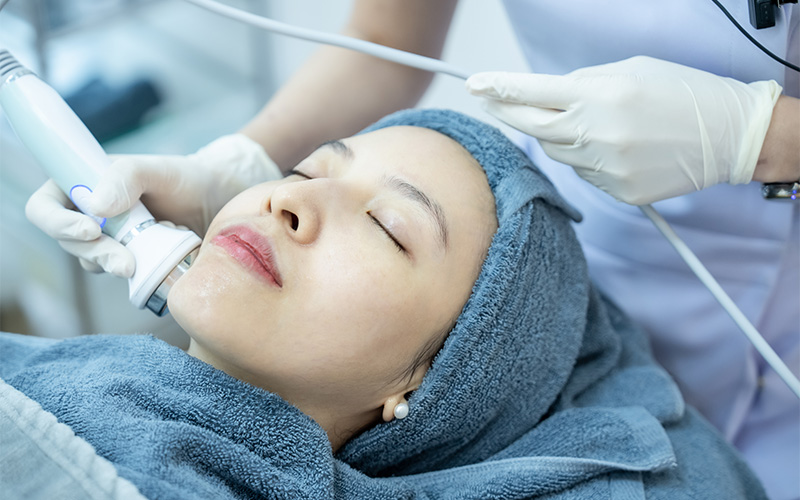
RF microneedling combines controlled micro-injury with radiofrequency energy to stimulate the skin’s natural repair response. The treatment works by creating microchannels within the skin while delivering heat to targeted depths, encouraging collagen production and tissue remodelling. Depending on your individual skin condition, it may be used to support skin quality and overall dermal resilience.
The suitability of any treatment depends on an individual assessment, including factors such as your skin condition, recovery capacity, and treatment goals.
How to Protect Your Skin from Environmental Stressors
While environmental exposure cannot be eliminated entirely, several strategies may help support the skin’s natural repair processes and maintain resilience over time.
1. Use Adequate Sun Protection
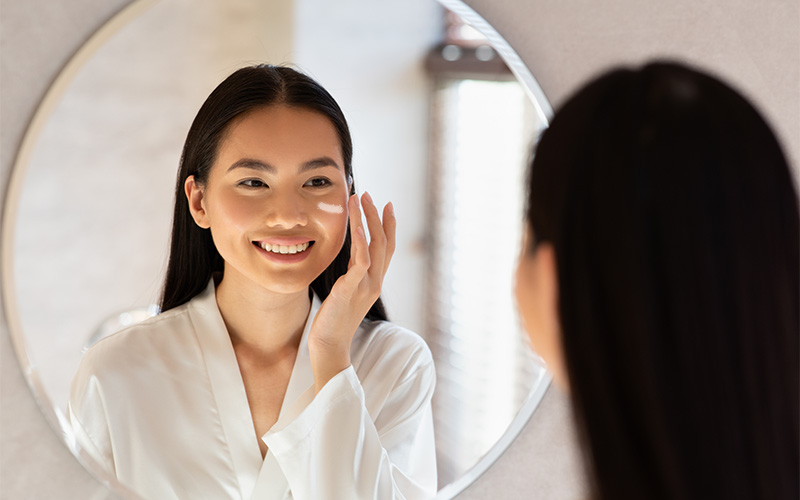
You can help minimise ongoing UV damage by applying a broad-spectrum sunscreen with at least SPF 30 every morning, even on cloudy days. If you spend extended periods outdoors, reapplication throughout the day may be necessary. Additional measures such as wearing wide-brimmed hats, sunglasses, and sun-protective clothing can further reduce cumulative UV exposure.
2. Cleanse the Skin Daily and Thoroughly
Cleansing your skin daily, usually once at night, can help remove pollutants, excess oil, sunscreen residue, and other environmental particles that accumulate on the skin throughout the day. Opt for a gentle cleanser that does not strip the skin of its natural oils, as this can help reduce unnecessary irritation and support overall skin barrier function. Antioxidant-based skincare products may also help manage oxidative stress caused by environmental exposure.
3. Maintain Hydration and Barrier Function
Supporting the skin barrier is important for maintaining hydration and creating a stable environment for recovery. Use products containing hydrating and barrier-supportive ingredients such as hyaluronic acid, glycerin, ceramides, and niacinamide to help reduce moisture loss and support barrier function. Topical skincare products containing polydeoxyribonucleotides (PDRN) can also help enhance surface-level healing and soothe sensitive or irritated skin by supporting cellular repair processes.
For cleansers and moisturisers, choose gentle products that are appropriate for your skin type to minimise irritation and maintain overall skin resilience.
4. Prioritise Healthier Lifestyle Habits
Skin recovery is influenced by overall health. Getting sufficient sleep, staying physically active, managing stress levels, and maintaining a balanced diet can all contribute to healthier skin function. These habits help support the body’s natural repair processes and improve the skin’s ability to cope with daily environmental and lifestyle stressors.
5. Avoid Excessive Exfoliation and Active Ingredients
If your skin is recovering from inflammation or breakouts, avoid excessive exfoliation or introducing too many active ingredients at the same time. While ingredients such as retinoids, acids, and exfoliants can help enhance your skincare routine, overusing them can further disrupt the skin barrier and cause irritation.
During periods of recovery, it’s best to simplify your routine and focus on gentle cleansing, hydration, moisturisation, and sun protection. This creates a more stable environment for the skin to repair itself.
Conclusion
When people think about environmental damage, they often focus on visible changes such as pigmentation, dryness, or uneven texture. However, these changes may only reflect part of the picture. Equally important is the skin’s ability to recover from the daily stress caused by UV exposure, pollution, climate changes, and lifestyle factors.
At AEON Medical & Aesthetic Centre, we believe that supporting skin health involves more than addressing what can be seen on the surface. Through a comprehensive assessment of skin condition, recovery capacity, and individual concerns, we tailor and create layered treatment plans that help address inflammation, repair damage, and maintain long-term strength.
If you would like to better understand how your environment and lifestyle are affecting your skin, contact us today to arrange a consultation.