
Introduction
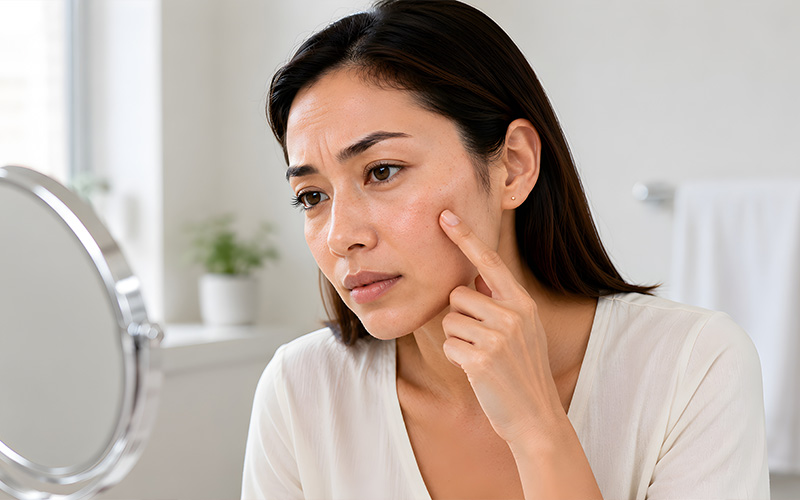
Skin ageing is a gradual, multifactorial process influenced by intrinsic factors such as genetics, hormonal changes, and the natural decline of collagen and elastin, as well as extrinsic factors including UV exposure, pollution, stress, and lifestyle habits. Over time, these changes may contribute to fine lines, uneven texture, dryness, reduced elasticity, and weakened skin resilience.
As understanding of skin ageing continues to evolve, regenerative aesthetic treatments have increasingly focused on supporting the skin’s underlying biological functions rather than addressing only surface-level changes. Treatments that support dermal structure, hydration, and cellular repair may help maintain overall skin quality and balance over time.
One example is polynucleotide (PN) treatment, a regenerative injectable approach that contains polynucleotides derived from purified salmon DNA. These biomolecules interact with skin tissue to support fibroblast activity, hydration retention, and extracellular matrix (ECM) maintenance, contributing to gradual improvements in skin quality and resilience over time.
At AEON Medical & Aesthetic Centre, PN-based treatments are recommended only after a doctor-led consultation and VISIA skin assessment to evaluate individual skin conditions, structural concerns, and long-term skin health goals. Below, we take a closer look at how PN treatments benefit ageing skin, the biological mechanisms underlying their regenerative effects, and the patient considerations involved in treatment planning as part of a broader skin health strategy.
Key Takeaways
- The benefits of PN treatments include supporting collagen maintenance, hydration balance, ECM health, and regenerative processes within the dermis.
- Unlike treatments designed primarily for immediate volumising effects, PN therapy works progressively through biological repair and tissue support mechanisms.
- Treatment suitability depends on factors such as skin condition, hydration levels, barrier function, ageing patterns, and individual treatment goals.
- Ongoing skincare, hydration support, UV protection, and gentle barrier care remain important for enhancing the benefits of PN treatment and maintaining results.
- When considering PN treatment at an aesthetic clinic in Singapore, look for one where doctors are appropriately trained and experienced in PN-based injectables.
- Based on experience with PN injectables and close collaboration with the manufacturer, AEON’s clinicians carefully tailor treatment plans to each patient’s skin condition, injection technique, and clinical suitability.
The Benefits of PN Treatments for Ageing Skin
Role of Polynucleotides in Skin Health
Polynucleotides (PN) are biomolecules that interact with skin cells to support natural repair and maintenance processes. In ageing skin, the activity of fibroblasts, the cells responsible for building our skin’s support system, tends to slow down. The benefits of PN treatments lie in their ability to support these essential cellular functions through the following mechanisms:
Supporting Fibroblast and Collagen Activity
One of the primary benefits of PN treatments is how they provide the essential “building blocks” (nucleotides) for your skin. By interacting directly with fibroblasts, PN supports the ongoing maintenance and synthesis of collagen and elastin networks, which are the scaffolding of a youthful complexion.
Promotes Hydration From Within
PN molecules are hydrophilic, meaning they naturally attract and interact with water molecules. Within the dermis, these molecules help support the organisation and retention of water around collagen and ECM structures. Rather than creating temporary surface plumping, this process helps maintain a more stable hydration environment within the skin itself.
Strengthening the Skin Barrier
By supporting cellular repair and the production of healthy skin cells, PN helps keep your skin’s protective barrier robust. This structural reinforcement can help the skin become less vulnerable to harsh environmental stressors such as pollution and ultraviolet (UV) rays.
Enhances Natural Renewal
A key benefit of PN treatments is their ability to accelerate the skin’s natural renewal processes. By triggering fibroblast activity and creating an environment favourable for tissue regeneration, PN injectables can help promote cellular repair and turnover. As older or damaged cells are gradually replaced, this may contribute to smoother texture, improved skin quality, and healthier overall skin function.
Supporting Structural and Functional Skin Changes
Rather than producing immediate surface effects, PN treatments benefit the skin by working with its natural mechanisms. Instead of creating rapid surface-level changes, the treatment works gradually alongside the skin’s natural regenerative processes to address concerns such as fine lines, uneven texture, dehydration, and mild laxity. This approach focuses on improving long-term skin quality and tissue resilience through progressive biological changes within the dermis.
Structural Smoothing and Firmness
As collagen and elastin networks are supported over time, the skin may develop improved internal structural support. One of the benefits of PN treatments is that fine lines can appear softer and less noticeable as dermal integrity gradually improves. It can also help maintain skin elasticity and reduce minor sagging.
Improved Skin Texture
PN promotes cellular repair and regenerative activity within the dermis, helping support the skin’s renewal cycle. As healthier cells gradually replace older or damaged cells, the skin surface may become smoother, more even, and better refined over time. Improved hydration balance within the ECM may also contribute to softer, more supple skin.
Clinical Suitability: Who PN-Based Treatments Are Most Appropriate For
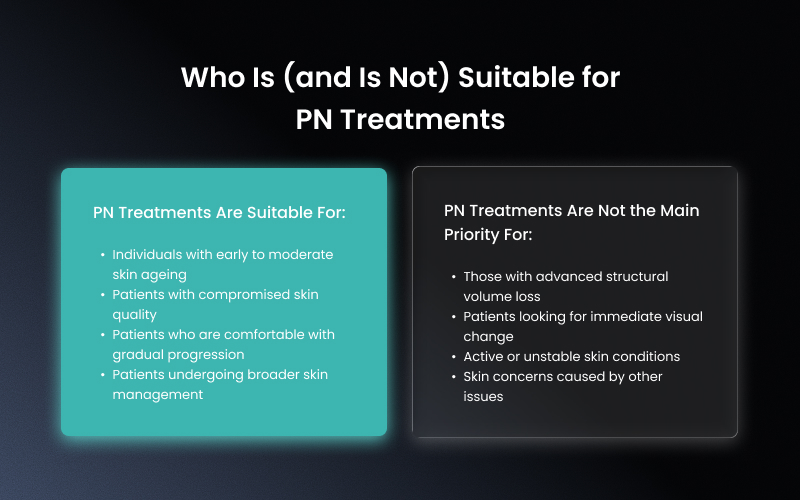
From a clinical perspective, PN-based treatments are appropriate when matched to the right skin indications, tissue condition, and patient expectations. At AEON Medical & Aesthetic Centre, we determine suitability through doctor-led consultation and skin analysis to evaluate underlying skin behaviour, structural changes, and overall dermal quality, rather than focusing solely on visible surface concerns.
Who May Benefit from PN Treatments
Individuals With Early to Moderate Skin Ageing
PN treatments may benefit patients showing gradual changes in skin quality rather than severe structural ageing. This may include early fine lines, mild laxity, reduced elasticity, rough texture, or skin that appears increasingly fragile or dehydrated over time.
In these cases, doctors may prioritise regenerative support because the skin’s structural framework is still relatively responsive and capable of gradual biological adaptation.
Patients With Compromised Skin Quality
Skin that has been repeatedly exposed to environmental stress, disrupted skincare routines, aggressive treatments, or chronic dehydration may demonstrate impaired barrier function and reduced resilience.
PN-based approaches may be considered when the clinical focus shifts toward improving overall skin condition, stability, and recovery capacity rather than targeting a single cosmetic concern in isolation.
Patients Who Are Comfortable With Gradual Progression
Treatment expectations play an important role in suitability assessment. PN therapy is generally more appropriate for patients who understand that changes tend to occur progressively over time rather than immediately after treatment.
Doctors may consider whether the patient’s goals are aligned with longer-term skin quality improvement rather than rapid lifting, contouring, or volumisation.
Patients Undergoing Broader Skin Management
PN treatments may also be incorporated into a broader skin management strategy, particularly in patients undergoing multiple forms of aesthetic care over time. This may include individuals seeking ongoing maintenance, post-procedure skin support, or a more preventive approach to skin ageing.
In these situations, the treatment is assessed not as a standalone procedure, but as part of a structured long-term plan tailored to the patient’s skin behaviour and treatment history.
When PN Treatment May Not Be the Primary Priority
Advanced Structural Volume Loss
Patients with significant volume loss, deep folds, or pronounced sagging may require other medical aesthetic approaches before regenerative skin support becomes the primary focus. In these situations, doctors assess whether deeper structural correction is necessary first to better address the patient’s concerns.
Patients Seeking Immediate Visual Change
PN treatments may not benefit patients seeking instant lifting effects or dramatic short-term correction. During consultation, doctors typically assess whether the patient’s expectations are realistic given the gradual nature of regenerative treatments.
Active or Unstable Skin Conditions
If the skin is experiencing ongoing inflammation, infection, severe irritation, or unmanaged dermatological conditions, doctors will typically focus on stabilising the skin barrier and controlling active disease processes before recommending injectable treatments.
Concerns Driven by Other Underlying Mechanisms
Not all skin concerns are primarily linked to collagen decline or dermal ageing. Conditions driven mainly by pigmentation abnormalities, vascular changes, or deeper structural imbalances may require different treatment approaches depending on the underlying diagnosis.
This is why personalised assessment remains central to determining whether PN treatment can benefit your skin, how it should be positioned within a treatment plan, and whether other treatments may be more suitable for your needs.
Application and Patient Considerations at AEON Medical & Aesthetic Centre
Understanding the PN Treatment Process
At AEON, we deliver PN treatments through a minimally invasive injection approach guided by doctor-led assessment and individualised treatment planning. Rather than applying a standardised protocol to every patient, we make treatment decisions based on your underlying skin behaviour, tissue quality, hydration status, and overall skin ageing patterns identified during the consultation.
Doctor-Led Consultation and Assessment
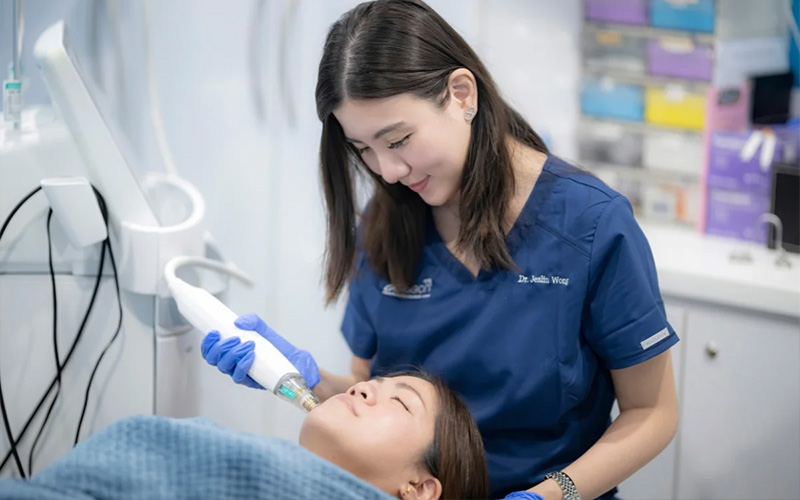
Treatment begins with a medical consultation to evaluate your skin concerns, medical history, lifestyle factors, current skincare routine, and previous aesthetic procedures. Our doctors will also assess factors such as:
- Skin sensitivity and barrier condition
- Degree of dehydration
- Elasticity and skin thickness
- Early versus advanced ageing changes
- Recovery expectations and treatment goals
- Existing inflammation or active skin conditions
This assessment helps determine whether PN treatment can benefit your skin on its own or should be integrated into a broader skin management strategy.
VISIA Skin Analysis
We also incorporate VISIA skin analysis into the assessment process. VISIA is a non-invasive imaging system that captures detailed information about various skin characteristics, allowing doctors to evaluate both visible and underlying skin changes
The system analyses features such as:
- Fine lines and wrinkles
- Pigmentation distribution
- UV-related skin damage
- Pore characteristics
- Skin texture irregularities
- Redness and vascular visibility
- Overall skin quality patterns
These findings help guide treatment suitability, injection placement, and long-term treatment planning. By combining clinical assessment with imaging analysis, our doctors can more accurately identify the structural and functional skin concerns that contribute to visible skin ageing.
Positioning PN Within a Broader Treatment Plan
Our doctors will assess how the benefits of PN treatment fit within your broader skin goals and whether regenerative support is the primary treatment priority.
Where appropriate, PN treatment may be considered alongside other treatment modalities. The timing and sequence should be determined individually, taking into account the treatment goals, product characteristics and cumulative risk of swelling or other adverse effects. For example, it may be combined with a hyaluronic acid skin booster to improve water retention and skin suppleness while supporting overall dermal quality.
This approach allows treatment recommendations to remain indication-based rather than relying on fixed treatment packages or trend-driven combinations.
Injection Technique and Treatment Delivery
Once suitability is confirmed, our doctors will deliver polynucleotides into the dermal layer using mapped micro-injections across selected treatment areas. The injection pattern will be adjusted based on skin thickness, treatment indications, and targeted areas of concern. The goal is to achieve a relatively even distribution throughout the treatment area
Depending on the treatment plan, common areas may include:
- Cheeks
- Under-eye region
- Forehead
- Neck
- Areas showing dehydration or reduced elasticity
Sessions typically take between 30 and 60 minutes, depending on the treatment coverage and complexity of the injection mapping.
Post-Treatment Responses and Recovery
Because PN treatment involves injectable delivery into the dermis, temporary post-treatment responses are expected as part of the skin’s recovery process. Patients may experience:
- Mild redness
- Localised swelling
- Slight tenderness
- Small raised bumps (“embossing”)
- Temporary sensitivity at injection sites
These effects are generally temporary and tend to settle naturally within several days as the product distributes within the tissue.
As part of post-procedure care, AEON also offers supportive facial treatments designed to soothe the skin and support recovery following injectable procedures. During the recovery period, our doctors may also advise making temporary adjustments to your skincare routine, including limiting exfoliation, reducing sun exposure, and avoiding potentially irritating products.
Complementary Skincare and Long-Term Maintenance
To support these gradual biological changes, your ongoing skincare routine and daily lifestyle practices play a vital role. While PN injectables work at a deeper cellular level, it’s important to maintain the skin’s surface environment to maintain your treatment results.
Stay Hydrated
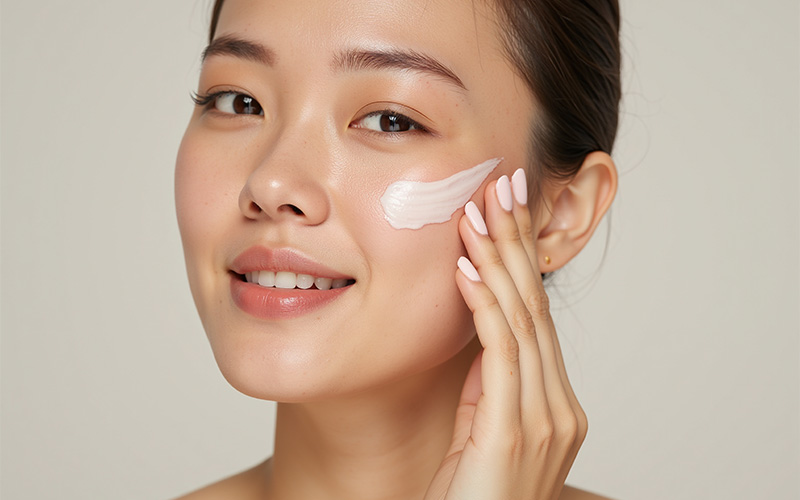
A suitable moisturiser can help minimise surface dryness and support skin-barrier comfort during recovery, complementing the benefits of PN treatments. Use high-quality moisturisers and hydrating skincare products to help reduce water loss and support the skin barrier. Look for products containing ingredients such as hyaluronic acid, ceramides, glycerin, or soothing humectants to help maintain softness and skin suppleness.
Daily UV Protection
Ultraviolet radiation remains one of the major contributors to collagen breakdown and accelerated skin ageing. Use a broad-spectrum sunscreen and reapply it regularly throughout the day, especially if you’re spending time outdoors. Doctors may also recommend limiting excessive sun exposure and maintaining regular sun protection habits to support long-term skin quality following treatment.
Avoid Exfoliation for Barrier Preservation
Avoid exfoliating acids, retinoids, scrubs and abrasive devices until the treated skin has recovered or according to your doctor’s instructions. Aggressive exfoliation can weaken the skin barrier and increase the risk of irritation, particularly after injectable procedures.
Frequently Asked Questions
How long does it take to see the benefits of PN treatment?
Changes in skin texture, hydration, and firmness tend to develop gradually over several weeks. Our doctors may recommend multiple sessions to support ongoing regenerative processes and progressive improvements in skin resilience, elasticity, and dermal quality over time.
Are there any side effects or precautions?
As with any injectable treatment, potential risks include pain, bruising, swelling, infection, inflammatory reactions, nodules, asymmetry and unintended vascular injury. Product-specific contraindications and allergy considerations should be reviewed before treatment.
Patients should inform their doctor about medical conditions, pregnancy or breastfeeding, medications, supplements, allergies and previous reactions to injectable treatments.
Who is suitable for PN-based treatments?
PN treatments can benefit individuals experiencing signs of ageing, such as fine lines, loss of firmness, uneven texture, or dryness. After diagnosis, we will conduct a personalised assessment to determine whether the treatment aligns with your specific skin concerns and overall health.
What makes PN injectables different from other skin boosters?
At AEON, our PN injectables are formulated with polynucleotides, purified DNA fragments without protein components, which are associated with low immune reaction and minimal side effects. This differs from hyaluronic acid-based skin boosters in their composition and proposed biological effects. The evidence, indications, viscosity, injection technique and safety profile may also differ between individual products.
When comparing PN or PN-based injectables, patients should ask which specific product is being used, whether it is authorised or supplied in accordance with applicable Singapore requirements, what clinical evidence supports its intended use, and what risks or contraindications apply.
Why do small bumps (“embossing”) appear after PN injectable treatments?
Small raised bumps may appear where the product is deposited within the skin. Their size and duration depend on factors such as the injected volume, treatment depth, product formulation, skin thickness and injection technique. They usually settle over the following days, although recovery time varies
Does more embossing mean better results?
No. The degree of embossing does not indicate how well the treatment is working. Thinner skin may show more visible bumps even with the same injection amount, while thicker skin may show minimal embossing. Doctors may adjust techniques, such as using smaller amounts across multiple injection points, based on individual skin thickness and tissue characteristics.
How long is the downtime after PN treatment?
PN treatments are typically absorbed within one to three days, and temporary embossing usually settles naturally. For post-treatment comfort and recovery, supportive soothing modalities such as cryotherapy or gentle ultrasound (LDM) may be considered. For patients concerned about procedural discomfort, formulations containing lidocaine may also be an option.
Conclusion
Ageing brings about gradual changes within the skin, from fine lines and wrinkles to uneven texture and dehydration. Rather than focusing only on surface-level correction, PN treatments take a regenerative approach, supporting the skin’s natural repair and maintenance processes at a deeper structural level. Many of the benefits of PN treatments are linked to improved skin resilience, hydration support, and gradual enhancement of overall skin quality over time.
Because every individual’s skin condition, ageing pattern, and treatment goals differ, treatment planning requires more than a standardised approach. At AEON Medical & Aesthetic Centre, our doctors conduct personalised consultations and VISIA skin analysis to assess your skin’s underlying needs. When combined with consistent skincare and combination treatments, PN therapy can help promote healthier, more resilient skin.
Contact us to schedule a consultation today.