
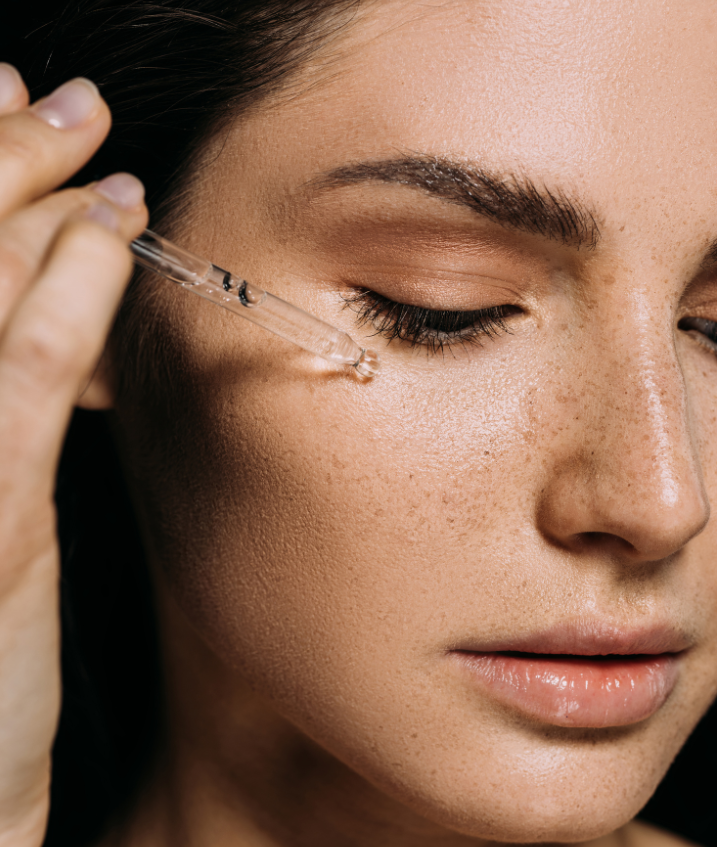
Skin pigmentation is a common concern among individuals of different age groups in Singapore. Skin pigmentation is the uneven colouring of skin caused by melanin. It can appear in various forms, from melasma to sunspots.
But how do we get rid of pigmentation?
Individuals seeking professional guidance should consult a licensed aesthetic doctor for personalised treatment options.
What Exactly is Skin Pigmentation?
Skin pigmentation refers to the colouring of the skin, determined primarily by melanin. Melanin is a pigment produced by melanocytes in the skin. It varies naturally across individuals due to genetics, sun exposure, and hormonal changes.
Everyone has melanin, albeit the kind and quantity differ.
- Eumelanin (dark brown) in darker skin tones (e.g., Malay, Indian) offers UV protection, reducing skin cancer risk.
- Pheomelanin (red-yellow) in lighter tones provides less protection, increasing sun damage risk.
Factors like sun exposure, ageing, and skin injuries can influence pigmentation
Common types of skin pigmentation include:
- Hyperpigmentation refers to dark patches caused by excess melanin, such as sunspots (“lentigines”), melasma (symmetrical brown patches on cheeks during pregnancy), or acne scars.
- Hypopigmentation refers to light patches caused by low melanin levels, such as post-inflammatory markings or vitiligo.
What Causes Skin Pigmentation?
In Singapore’s sun-soaked environment, melanin overproduction is often triggered by:
Sun Exposure
UV rays are not just responsible for sunspots; they are also the leading source of melanin overproduction. Even brief exposure to UV rays might deepen existing blotches. Worse, humidity traps perspiration and UV rays against your skin, resulting in a “greenhouse effect” for skin pigmentation.
Hormonal Changes
Hormonal changes can cause melasma, which often occurs during pregnancy, menopause, or when on birth control. This “mask of pregnancy” (brown spots on cheeks/forehead) affects one in every two women. Melasma is more common among Malay and Indian skin tones in multicultural Singapore, possibly due to increased melanin production.
Inflammation
Acne, eczema, and mosquito bites can cause post-inflammatory hyperpigmentation (PIH). Darker skin tones are more likely to develop persistent markings.
Genetic Predisposition
If your parents have pigmentation, your chances of skin pigmentation also increase. Genes control how your melanocytes react to stress or the sun, which explains why some people tan uniformly while others have spotty blotches after sun exposure.
Ageing & Cumulative Damage
After the age of 40, melanin distribution becomes uneven. Combine this with years of tropical sun exposure, and age spots appear. Many Singaporeans first experience them on their wrists or temples, where sunscreen frequently fails to reach.
Medications & Hidden Health Issues
Some common medicines (e.g., antibiotics, diabetic medications) and diseases such as Addison’s can darken the skin.
How to Get Rid of Skin Pigmentation At Home?
Achieving even skin may require patience and a holistic approach. The following at-home steps are general methods that some individuals use to support skin appearance.
Sun Protection: Your First Line of Defence
Sun protection and shielding are crucial in Singapore, where the ultraviolet index is high. UV rays can aggravate melanocytes, causing dark patches and hastening the damage.
To protect your skin:
- Use a broad-spectrum sunscreen with an SPF of 30 or more daily. Apply sunscreen before going out daily without any breaks, even if it is rainy or cloudy. Apply a lightweight and non-greasy formulation suitable for humid conditions, and ensure to reapply every two hours if outdoors for a long time.
- Go for a strategic cover-up. Wear wide-brimmed hats, use UV-protective umbrellas (an absolute local necessity), and long sleeves during the hottest hours of the day, from 10 a.m. to 4 p.m.
- Do not pick at acne or bites. Post-inflammatory hyperpigmentation results from skin inflammation brought on by scabs, mosquito bites, and acne scratches. Leave the blemishes alone to avoid black markings.
Sun damage worsens over time, so do what you can today for your skin’s protection tomorrow.
Skincare Routine for Brighter and Healthier Skin
A very gentle and regular skin care regimen can help in reducing skin pigmentation and preventing the formation of new spots:
- Vitamin C serums are sometimes used to help support an even skin tone and may influence melanin production.
- Licorice extract includes glabridin, a natural substance that can diminish melasma and sun spots.
- Moisturisers including niacinamide (Vitamin B3) is commonly used to alleviate redness, strengthen the skin barrier, and remove discolouration.
- Instead of abrasive scrubs for gentle exfoliation, use chemically driven alternatives such as lactic acid, AHAs, and BHAs twice or thrice weekly. This removes dull cell layers and allows products to penetrate the skin more fully, thereby assisting in fading marks.
- Hydration is essential. Ironically, humidity can dehydrate the skin. A light, non-greasy moisturiser is required to adequately hydrate the skin.
At-Home Skin Pigmentation Natural Remedies
You can use pantry staples prevalent in Asian households to reduce skin pigmentation:
- Mix honey or yoghurt with turmeric to prepare a mask for lightening skin and apply. Rinse after 10 minutes.
- Apply Aloe Vera Gel overnight to reduce irritation and lighten spots.
- Mashed tomatoes contain lycopene, which may have antioxidant properties that support skin health when applied topically.
Nourish from Within: Diet & Wellness
Healthy skin starts from inside and therefore, eating a well-balanced diet is crucial.
- Eat anti-oxidant foods like berries, leafy greens, and nuts. They help fight free radicals that cause skin pigmentation.
- Drink enough water and eat lots of veggies, including cucumbers, for hydration.
- Limit inflammatory triggers with sweets and other processed foods, which can promote post inflammatory hyperpigmentation.
Nurturing Holistic Habits
It is also important to practice holistic healthy habits to promote better skin.
- Practice stress management techniques like yoga or mindfulness to reduce the level of cortisol that causes pigmentation.
- Prioritising sleep can be therapeutic; the goal is to sleep for seven to eight hours every night.
- Avoid smoking and heavy alcohol intake, as these are factors that might cause premature ageing and prevent the skin from recovering.
Patience & When to Seek Professional Help
Results of skin care from natural and home remedies can take weeks; therefore, consistency is essential. However, what must be considered, particularly with darker skin tones, is that faster results come from advanced skin care treatment, such as laser therapy and clinical peeling.
Professional Pigmentation Treatments In Singapore
Stubborn melasma, sunspots, and acne scars can affect individuals differently. Licensed clinics offer various professional treatments that may help manage skin pigmentation, tailored to each person’s skin type and condition.
Laser & Light Therapies
Laser therapies can include the following:
- Pico Lasers use ultra-fast pulses to break down pigment with little downtime.
- Q-switched lasers can precisely target particular areas, such as freckles.
- IPL pigmentation treatment is a broad-spectrum laser that helps improve skin tone and repairs UV damage. IPL is short for intense pulsed light.
Chemical Peels
Chemical peels exfoliate the skin’s surface. Effects may vary, and repeated sessions may be recommended by a licensed professional to help support skin texture.
Microneedling
Microneedling involves creating micro-channels in the skin, which may enhance absorption of topical serums. Results vary between individuals.
Why Combination Therapies Work Best?
Skin pigmentation occurs in different layers of the skin.
- Topical medications like hydroquinone may work well to remove surface pigmentation in melasma.
- Different types of pigmentation can occur at various skin depths. Licensed professionals may combine topical treatments and procedural therapies based on individual assessment.
- Use sun protection with SPF 50+ to prevent rebound skin pigmentation in Singapore’s UV-heavy climate.
Post Pigmentation Removal Maintenance and Care
Post-treatment care is recommended to support skin health. Maintenance routines may help prolong the benefits of professional procedures, but results vary individually.
Here are a few tips for your skin post-laser therapy:
Immediate Laser Pigmentation Removal Aftercare (First 48-72 Hours)
- There might be some redness and mild swelling; hence, be gentle to your skin. Use comfort measures like cool compresses or aloe vera gel.
- Avoid the sun, as this will aggravate pigmentation; wear a wide-brimmed hat if you must go outdoors.
- Use only pigmentation removal creams with fragrance-free cleansing potency for mild skin maintenance. Avoid exfoliants, retinoids, or active ingredients for 5 to 7 days.
Long-Term Maintenance
Preventing recurrence of skin pigmentation can be achieved through the following measures:
- Don’t skip using sunscreen. Apply an SPF 30-50 (PA+++) every day when indoors and reapply every 2-3 hours when outdoors.
- Dermatologists may prescribe topical medications such as hydroquinone to bleach dark spots or tranexamic acid to interfere with pigment pathways. Use as directed to prevent irritation.
- Help your skin to remain hydrated and nourished. Build the skin barrier and fight against oxidative stress through ceramide-rich moisturisers and vitamin C serums.
Choosing the Right Treatment
With a number of treatments for skin pigmentation in Singapore available, the decision to choose the right treatment needs to be made wisely. You can compare options based on your needs:
- At-Home: Cost-effective (SGD 20–100/month), slow but safe.
- Professional: Faster (SGD 200–1,000/session), effective for severe cases— for example, Pico Lasers stand out for precision.
Seek clinics with experienced dermatologists and VISIA Skin Analysis for personalised plans.
At Aeon Medical, our professionals combine quality standard technology (such as individualised peels and VISIA Skin Analysis) with customised strategies to tackle skin pigmentation. Led by Dr. Jeslin Wong’s 7 years of expertise, we focus on safe, effective treatments that produce long-term outcomes.
Individuals with skin pigmentation or other skin concerns should consult a licensed aesthetic doctor for personalised assessment and treatment recommendations. Professional guidance can help you understand the available options and expected outcomes.
Frequently Asked Questions
Is laser treatment for skin pigmentation safe?
Yes, laser treatments like Pico Lasers and Q-Switched Lasers are safe when performed by experienced dermatologists. Side effects (e.g., temporary redness) are minimal, but choosing a reputable clinic with good reviews is key. Always consult a professional to ensure suitability for your skin type, especially for darker tones common in Singapore.
How long until I see results from skin pigmentation treatments?
At-home care (e.g., Vitamin C, sunscreen) may take 6–12 weeks for noticeable improvement, depending on consistency. Professional treatments like Pico Lasers show results in 1–3 sessions (spaced 4 weeks apart), with full effects after 2–3 months. Melasma may require longer due to hormonal factors.
Can diet help in skin pigmentation?
Yes, a diet rich in antioxidants (e.g., berries, leafy greens, nuts) can reduce pigmentation over time by combating free radicals.
Is melasma treatable?
Yes, melasma is treatable, especially with a combination approach. Lasers (e.g., Pico) target deep pigment, while chemical peels and hydroquinone address surface discolouration.
What’s the best treatment of skin pigmentation for sensitive skin?
For sensitive or darker skin tones (e.g., Indian, Malay), microneedling with serums or mild chemical peels (e.g., glycolic acid) are gentler options.
How much do skin pigmentation treatments cost in Singapore?
The costs for skin pigmentation treatments vary depending on the type:
- At-home products can cost SGD 20–100/month
- Chemical peels can range from SGD 150–300/session
- Laser treatments can cost SGD 300–1,000/session
Can I prevent skin pigmentation in Singapore’s climate?
Yes, daily SPF 30+ sunscreen, reapplying every 2 hours when outdoors, and UV-protective clothing (e.g., hats, umbrellas) are vital. Avoid peak sun hours (10 a.m.–4 p.m.) and don’t pick at your skin to prevent PIH. Humidity amplifies UV damage, so consistent care is crucial for prevention.
What if skin pigmentation returns after treatment?
Rebound skin pigmentation is possible, especially with sun exposure or hormonal shifts. Maintain the use of SPF 50+, follow post-treatment care (e.g., mild skincare), and schedule follow-ups at professional aesthetic clinics in Singapore. Early intervention prevents recurrence in Singapore’s tropical climate.