
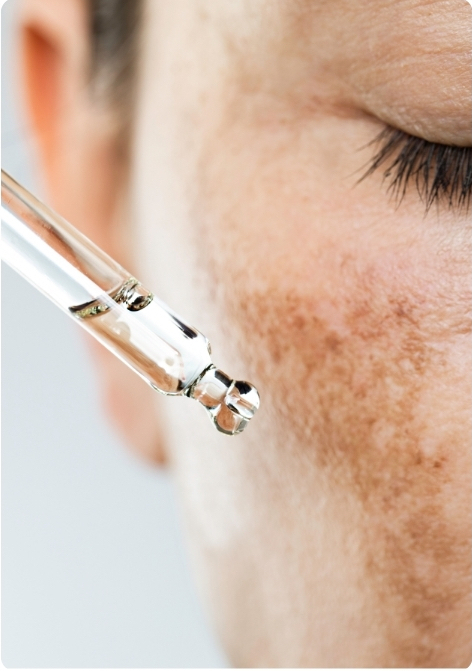
Our skin colour is a remarkable feature shaped by melanin, a pigment produced by specialised cells called melanocytes. This natural shield not only guards our skin against harmful UV rays but also defines the rich diversity of hues we see across humanity. In Singapore’s tropical climate, where sun exposure is a daily reality, melanin plays a vital role in protecting skin health.
The amount and distribution of melanin in our skin vary widely, influenced by a mix of genetics, environmental factors, and internal processes. Ideally, melanin production stays balanced to keep skin tone even, but disruptions—whether from overproduction or reduction—can lead to skin pigmentation. These pigmentations might appear as temporary patches or lasting marks across different areas of the body. Understanding how melanin interacts with our surroundings and body is key to maintaining healthy skin and addressing pigmentation concerns effectively, especially in a sun-soaked city like Singapore.
In this article, we unravel the science behind skin pigmentation, explore why it changes, and highlight the best treatments available right here in Singapore to help you reclaim a radiant, even complexion and prevent pigmentation skin problems.
Types of Skin Pigmentation
There are different types of skin pigmentation, each with its own characteristics and, correspondingly, different treatments. These include:
Hyperpigmentation
Hyperpigmentation refers to the condition when the skin generates too many melanin deposits, resulting in dark spots or patches on the skin surface. Some factors responsible for hyperpigmentation include exposure to sun rays, hormonal fluctuations, inflammation, and physical injuries. The skin condition known as hyperpigmentation can manifest as melasma alongside post-inflammatory dark patches and pigmentation from sun exposure. Ultraviolet rays exposure is the principal reason for this skin condition. Residents of the humid climate in Singapore must apply sunscreen daily to protect their skin against the sun’s rays. Topical creams, chemical peels, and laser therapy can be used to treat skin discolouration.
Hypopigmentation
Reduction of melanin production in the skin creates a lighter skin colour and turns it pale. Injuries to the skin and medical interventions can lead to hypopigmentation. Since hypopigmentation causes pale skin areas, they appear distinct from the darkened skin areas that develop from hyperpigmentation. The use of regulated light therapy and cosmetic treatment can produce normal skin colouration.
Mixed Pigmentation
When a person develops hyperpigmented and hypopigmented skin patches, the result is areas of irregular pigmented patches called mixed pigmentation. Certain areas turn out to have dark and white pigmentation on skin due to disorders of Melasma and post-inflammatory pigmentation. Treatment involves laser procedures combined with topical creams and sun exposure protection. It is always advisable to consult an expert for proper procedures that deliver effective treatments.
What Causes Skin Pigmentation?
Here are the common causes of skin pigmentation:
Sun Exposure
UV radiation is the primary cause of pigmentation on skin. The skin reacts to sunlight transmissions that initiate melanin production, causing pigmentation with additional sunspots. Residents in Singapore’s warm climate face high risks of developing pigmentation on their facial skin and other areas. Regular use of sun protection remains essential to avoid such incidents.
Hormonal Changes
Hormonal changes, for example, pregnancy hormones and birth control pills can trigger facial pigmentation, known as melasma. Black pigmentation on skin manifests primarily on the forehead, cheeks, and upper lip.
Ageing and Genetics
Old-age pigmentation becomes evident as people age. The signs manifest as sunspots, age spots, and a diffuse pattern of uneven skin colour. Some hereditary conditions affect how skin reacts to sunlight and faces inflammatory triggers.
Medical Conditions and Medications
Addison’s disease, alongside vitiligo, is a condition that results in either white or red skin discolouration. Moreover, certain drugs’ side effects can also cause facial pigmentation that manifests as patches of discolouration with a rough skin surface.
Different Forms of Skin Pigmentation Problems
Various pigmentation problems exist in different forms. Knowledge of these issues allows proper identification of the issues and corresponding treatments.
Melasma
Melasma refers to brown spots that develop on the face. The hormonal activity of pregnancy or birth control medications can lead to the development of melasma. The sun also triggers pigmentation on faces, which happens frequently in Singapore.
Sunspots (Solar Lentigines)
Prolonged sun exposure can lead to sunspots, which eventually appear in ageing skin. Such pigmentations develop in the facial, hand, and shoulder regions. It is typically treated with laser treatment combined with aesthetic procedures such as chemical peel applications.
Freckles
UV exposure can make inherited pigmentation or freckles darker. Unlike dark skin pigmentation, these freckles are harmless but more noticeable in warmer climates. Its removal options include IPL, chemical peels, and sunscreens. Freckles can be prevented through a daily application of sunscreen.
Post-Inflammatory Hyperpigmentation (PIH)
PIH typically develops from acne burns or traumatic events and causes skin redness and dark spots. These harmless pigmentation changes appear mostly in darkly pigmented skin. The treatment options for skin pigmentation may include topical skincare, laser treatment, and peeling solutions. Outcomes vary depending on the individual and condition severity.
Vitiligo
Vitiligo is a condition where melanocytes in the skin reduce to cause white skin pigmentation. In this condition, white skin areas with shade-like lesions can be found on the face and body. Sun protection, phototherapy, and corticosteroid treatment are among the available treatments for vitiligo.
Effective Skin Pigmentation Treatments in Singapore
Different kinds of treatments, from creams to laser procedures, are used to manage pigmentation. The best decision is made depending on the severity of the pigmentation and its cause.
Topical Treatments
Topical treatments for skin pigmentation include active components such as hydroquinone, retinoids, and vitamin C that lighten dark patches and tone the skin. They work to degrade excessive melanin and promote skin cell turnover. Glutathione for skin pigmentation is also used in creams and serums to depigment the skin and tone patchy pigmentation on the face. A herbal remedy like the application of liquorice powder on the skin can lighten dark spots and soothe irritation gradually.
Laser and Aesthetic Treatments
Advanced skin pigmentation treatment Singapore features laser treatment, which effectively destroys clusters of melanin. Q-switched lasers, Pico lasers, and fractional lasers are commonly utilized for skin pigmentation removal, eliminating deep black pigmentation on skin and sunspots. Intense Pulsed Light (IPL) therapy is also widely employed to remove pigmentation, especially for melasma and age-old pigmentation. All these treatments consist of several sessions but bring long-term improvement in pigmentation on skin.
Chemical Peels and Microdermabrasion
Chemical peels employ exfoliating acids to peel the top layer of skin to lighten facial pigmentation and reveals lighter skin. The procedure works effectively on infections that cause skin discolouration, sun damage, and freckles. The process of microdermabrasion helps pigmentation by carefully exfoliating away dead surface cells to achieve skin toning. The two treatments improve skin texture and work best alongside other therapies.
Oral Supplements and Skincare Regimens
Glutathione tablets are a popular supplement with antioxidant and bleaching properties. Some oral supplements, including glutathione, are used by individuals, but effects on pigmentation can vary and are not guaranteed. Daily sunscreen use may help protect skin from UV exposure, which can influence pigmentation, though results differ among individuals. Niacinamide and vitamin C skincare products can accelerate the effects of treatments and can stop a new issue from developing successfully.
Prevention Tips
Prevention is better than cure, and daily sun protection is what can make a huge difference in controlling and preventing hyperpigmentation. Regular basic modifications in daily living can help reduce skin cells’ production of melanin while keeping the skin looking healthy. The following tips can be useful in this regard:
- Daily application of broad-spectrum sunscreen with SPF 30 or higher helps prevent early onset of pigmentation.
- Wearing protective headwear and sunglasses to block sunlight while exposed to the sun can prove beneficial.
- Topical creams containing vitamin C, niacinamide, and liquorice extract help prevent and treat skin pigmentation.
- Gentle exfoliation may support skin cell turnover, which can potentially help manage pigmentation, though outcomes differ between individuals.
Conclusion
Understanding skin pigmentation can help identify treatment options in Singapore, but outcomes may vary depending on individual factors. Resolving skin issues requires expert treatment since these methods produce faster results than typical home remedies and skincare products. Dermatological care can provide personalized guidance for managing pigmentation, though results are not guaranteed.
Your journey to radiant, healthy skin starts with professional care. At Aeon Medical & Aesthetic Centre, licensed professionals can provide guidance and treatment options for concerns like acne, wrinkles, acne scars, and dehydrated skin. Individual outcomes may vary. Visit our aesthetic clinic in Singapore today to take the first step toward glowing, youthful skin.
Frequently Asked Questions
What are the treatment options on how to remove skin pigmentation?
Multiple treatments exist for hyperpigmentation depending on the causes and severity levels. Treatment for skin pigmentation include topical creams, chemical peels, laser therapy, and microdermabrasion. A dermatologist can help determine a suitable approach for each individual.
Can skin pigmentation be prevented?
What causes pigmentation on skin depends on genes or natural factors; however, preventive measures can be taken to tackle these causes. Preventive measures, such as regular sunscreen use, reducing sun exposure, and appropriate skincare, may help manage pigmentation, though results vary among individuals.
How long does it take for pigmentation to fade?
The time it takes for pigmentation removal depend on the treatment methodology combined with discolouration causes and its level of darkness. The time for pigmentation to fade depends on the treatment type, underlying causes, and severity. Some cases may take months to show changes, while others may require ongoing specialist management.