
Key Takeaways
- Skin can appear dull or fatigued even with adequate sleep due to changes in circulation, renewal, hydration balance, and structural support.
- Surface concerns such as rough texture or uneven tone often reflect deeper shifts in dermal function and cumulative environmental exposure.
- A measured approach that considers daily care, lifestyle factors, and appropriate clinical support offers a more sustainable strategy than focusing on short-term brightness alone.
Introduction
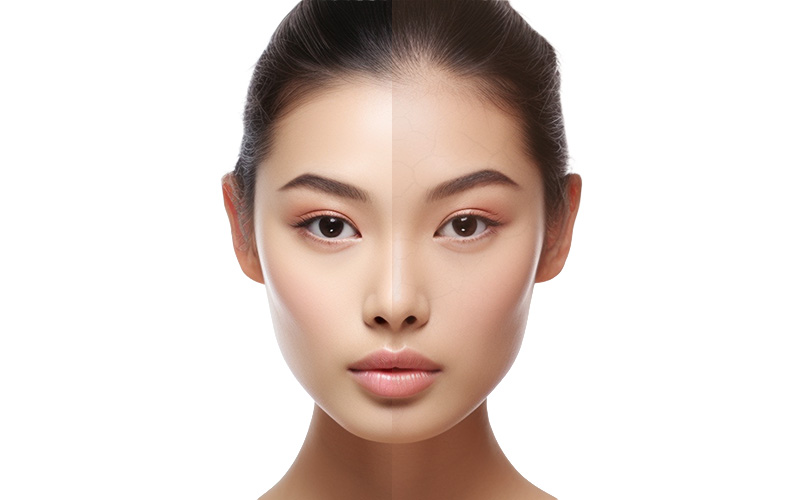
You may be sleeping seven to eight hours a night, yet still wake up to dull tone, uneven texture, enlarged pores, or a faint shadowed look around the eyes. Makeup sits poorly. Skincare no longer seems to work as well as it did before. Despite doing “all the right things,” the mirror still reflects tired-looking skin.
This disconnect can be frustrating. In many cases, it is not simply about rest. Skin vitality is influenced by circulation, hydration balance, structural support, and cumulative environmental exposure. When these internal processes slow or become less efficient, the complexion may appear fatigued even when your body feels rested.
Understanding these deeper contributors allows for a more measured and realistic approach to restoring a naturally refreshed appearance.
1. Reduced Blood Circulation to the Skin
The appearance of radiant-looking skin begins with microcirculation. Healthy blood flow supports oxygen and nutrient delivery to skin cells. When circulation becomes less efficient, the complexion may look flatter or slightly greyish, contributing to tired-looking skin, particularly across the cheeks and under-eye area.
Sedentary routines, prolonged screen exposure, and natural ageing may influence this process. Over time, reduced circulation affects how light reflects off the skin, making it appear less vibrant.
Recovery Strategies
Regular physical activity, adequate hydration, and gentle facial massage can encourage healthier circulation patterns. In selected cases, polynucleotide skin injections are introduced to support the dermal environment associated with microvascular activity and cellular function. Rather than creating temporary fullness, the goal is to maintain overall skin balance.
2. Accumulation of Dead Skin Cells
Another common reason for loss of luminosity is slower epidermal turnover. As cell renewal slows, dead cells accumulate on the surface, which in turn creates a rough texture, uneven tone, and reduced luminosity.
You may notice foundation clinging to dry patches or your usual glow fading despite consistent skincare. This surface dullness can compound deeper changes and contribute to the appearance of tired-looking skin.
Recovery Strategies
In your daily care, gentle exfoliants such as AHAs or BHAs help regulate surface renewal without excessive irritation. Professionally, microneedling or light laser resurfacing may refine texture. Beneath the surface, PN-based care can be introduced selectively to support dermal quality and cellular efficiency, complementing surface-focused strategies rather than overstimulating the skin.
3. Loss of Skin Hydration
Even well-rested individuals can experience dehydration-related dullness. When moisture levels are inconsistent, the skin may appear crepey, less elastic, and less reflective of light. This can accentuate facial contours in a way that resembles fatigue, contributing to a worn-out appearance.
Recovery Strategies
Topical moisturisers containing hyaluronic acid, glycerin, and ceramides help maintain barrier function and water balance. However, surface hydration alone may not fully address deeper moisture dynamics.
Hydration-focused injectables for improving dermal moisture levels may be considered for suitable individuals. At the same time, regenerative treatments may be introduced to support the underlying dermal environment that influences how consistently skin maintains hydration. The aim here is not volume exaggeration, but steadier moisture balance over time.
4. Subtle Structural Changes in the Skin
Gradual collagen decline can also affect how firm and light-reflective the skin appears. Even minor reductions in dermal density can create shadowing around the jawline or midface, contributing to a fatigued appearance.
Recovery Strategies
Lifestyle measures such as adequate protein intake, antioxidant-rich nutrition, and consistent sun protection help preserve the skin’s structural integrity. Clinically, energy-based modalities such as HIFU treatment or radiofrequency skin tightening may be introduced to support collagen remodelling in appropriate cases. PN-based therapies may also be suggested to complement these approaches by supporting overall dermal resilience, maintaining balance rather than aggressive correction.
5. Environmental Stress and Lifestyle Factors
Daily UV exposure, pollution, irregular routines, and psychological stress can gradually influence how skin functions. Over time, this cumulative burden may overwhelm natural regenerative processes, resulting in persistent tired-looking skin that does not improve with sleep alone.
In Singapore’s climate, consistent environmental exposure combined with indoor air-conditioning can further influence hydration balance and surface texture.
Recovery Strategies
Protective measures such as sunscreen, antioxidant serums, and barrier-supportive skincare remain foundational.
Periodic assessments at aesthetic clinics may also allow for early identification of shifts in skin vitality. This is where PN-based therapy may be introduced selectively to reinforce the dermal environment so that the skin is better equipped to manage ongoing environmental exposure.
A Broader Approach to Skin Vitality
When tired-looking skin persists despite adequate rest, it often reflects deeper functional changes rather than simple fatigue. Addressing circulation, hydration balance, structural support, and environmental stress together provides a more coherent strategy than focusing on glow alone.
At AEON Medical & Aesthetics, this presentation is approached as a sign that the skin’s overall functional balance may be shifting. Instead of prioritising quick surface enhancement, the focus is placed on assessing dermal condition, tolerance levels, and cumulative stress exposure.
PN-based treatments may be considered where appropriate to support the skin’s internal environment, while other modalities are introduced selectively based on individual needs. The emphasis remains on maintaining long-term stability so that improvements appear gradual and consistent, rather than abrupt or overstimulated.
So, if you are experiencing persistent concerns and would like a structured evaluation of contributing factors, do contact AEON Medical & Aesthetics to arrange a personalised consultation.