
Key Takeaways
- Korean glass skin is not simply a result of hydration. It reflects a combination of smooth skin renewal, a strong skin barrier, skin clarity, and healthy dermal support.
- Surface radiance often depends on how effectively the skin regulates moisture, controls inflammation, and repairs itself over time.
- Medical-grade facials and deep-cleansing treatments help maintain skin smoothness and clarity but do not address deeper structural changes on their own.
- HA skin boosters, collagen-stimulating injectables, and PN treatments each target different aspects of skin health, from hydration and elasticity to structural support and tissue repair.
- Achieving and maintaining glass skin typically requires a personalised, multi-layered approach tailored to an individual’s skin condition and long-term goals.
Introduction
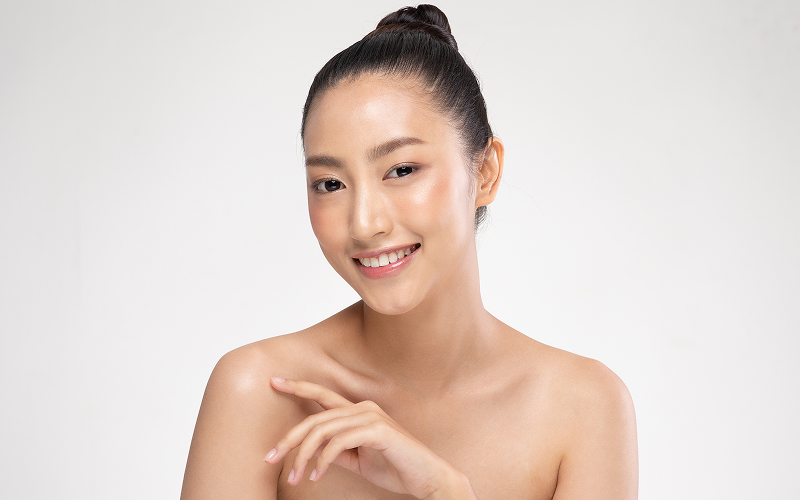
The “Korean glass skin” trend is everywhere, from skincare advertisements and beauty influencers to discussions about the latest aesthetic treatments. It is often used to describe skin that looks exceptionally smooth, clear, and luminous, almost as though light is reflecting effortlessly off its surface.
While many people associate glass skin with hydration alone, the reality is often more complex. Skin that appears healthy and radiant is typically a result of multiple factors, including skin texture, hydration levels, and inflammation control. As a result, achieving glass skin is less about a single product or treatment and more about supporting the biological processes that influence long-term skin health.
What Contributes to the Glass Skin Effect?
Rather than asking how to make your skin glow, it may be more useful to ask what allows healthy skin to shine in the first place.
1. A Smooth and Well-Renewed Surface
One of the defining characteristics of glass skin is a smooth, refined texture. Regular epidermal turnover removes older skin cells and replaces them with newer ones, helping to maintain a more even skin surface. When this process slows, dead skin cells can accumulate, resulting in roughness, uneven texture, and a duller appearance.
2. Strong Hydration and Barrier Function
Hydration alone is not enough to maintain healthy-looking skin. The skin barrier regulates moisture retention while protecting the skin from environmental irritants and water loss. When the barrier function is intact, the skin is better able to maintain hydration levels, which supports a smoother, more supple appearance.
3. A Stable, Low-Inflammation Environment
Clear skin allows light to reflect more evenly across the skin surface. Persistent redness, irritation, active acne, and post-inflammatory pigmentation can interrupt this uniformity, affecting overall skin clarity. Maintaining a stable skin environment is therefore an important aspect of achieving Korean glass skin.
4. Healthy Dermal Support and Repair
The skin’s deeper layers contain collagen, elastin, and extracellular matrix (ECM) components that provide structural support. These tissues help maintain firmness and resilience while supporting the skin’s ability to recover from everyday stressors. Healthy repair processes also help preserve skin quality over time, providing the foundation for long-term radiance rather than temporary surface glow.
A Layered Approach to Glass Skin
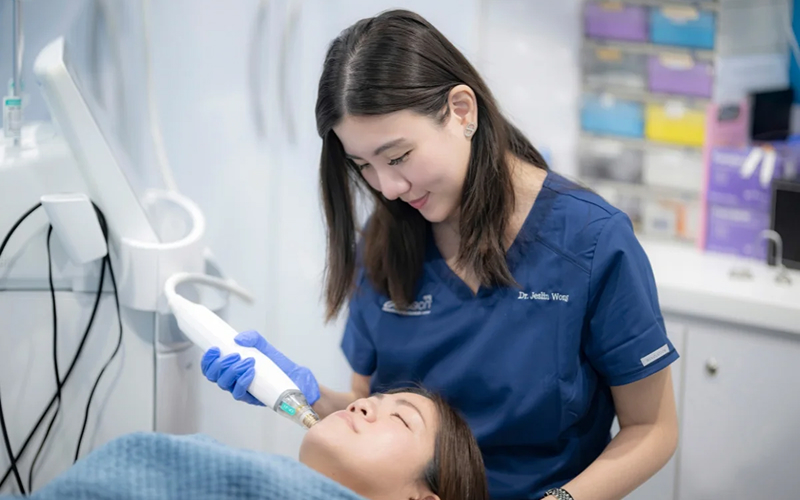
Because Korean glass skin is characterised by smooth texture, clear tone, and well-hydrated skin, achieving it rarely comes down to a single product or procedure. At AEON, our treatment plans often combine several approaches that work at different levels of the skin.
Facials and Cleansing for Surface Maintenance and Skin Clarity
Achieving glass skin begins at the surface. Medical-grade facials and deep-cleansing treatments help remove impurities, support regular exfoliation, and maintain hydration levels in the skin. By keeping the skin surface smooth and clear, these treatments can support more even light reflection and a healthier overall appearance.
However, while facials can help maintain skin quality, they do not directly address bigger structural changes within the dermis.
Hyaluronic Acid (HA) Injectables for Hydration and Elasticity
If dehydration and early changes in skin elasticity are affecting the skin’s ability to maintain a smooth, luminous appearance, we may recommend HA skin boosters to help improve moisture retention. These injectable treatments deliver HA into targeted layers of the skin, where it can attract and retain water molecules. This supports deeper hydration in the skin and can help improve softness, elasticity, and overall skin quality without adding volume.
Collagen Stimulation for Skin Density and Structural Support
While hydration helps the skin appear plump and supple, long-term skin quality also depends on the integrity of the dermis beneath the surface. PDLLA (poly-D,L-lactic acid) is a biostimulatory material used in collagen-stimulating injectables. It works by encouraging the skin’s natural collagen production, helping support skin density and structural integrity over time.
As collagen is gradually produced, the skin’s underlying support network may become stronger and more organised. This can help improve skin texture, elasticity, and overall skin quality, providing a stronger foundation for a smoother, more refined appearance.
Polynucleotide (PN) Treatments to Support the Skin’s Natural Repair Processes
Healthy skin is constantly responding to environmental stressors, inflammation, and everyday wear. When the skin’s recovery processes become less efficient, it may appear duller, more reactive, or slower to recover from irritation and breakouts.
Polynucleotide (PN) treatments are used within a regenerative framework to support fibroblast activity, ECM maintenance, and the biological processes involved in tissue repair. Rather than building structural support, these treatments create a healthier environment for skin recovery and renewal. As repair mechanisms are supported, the skin may become more resilient, stable, and better able to maintain healthy function over time.
Conclusion: Looking Beyond the Glow
True Korean glass skin is rarely the result of a single facial, skincare product, or injectable treatment. Rather, it reflects the combined effects of skin renewal, balanced hydration, strong dermal support, and repair processes working together over time.
At AEON Medical & Aesthetic Centre, we take a personalised, assessment-driven approach to skin quality. Through a detailed consultation and skin analysis, treatment recommendations are tailored to your skin’s unique needs, concerns, and goals. By understanding the underlying factors affecting your skin, we can develop a treatment plan that supports healthier, more resilient skin over the long term rather than simply pursuing temporary surface radiance.
Make an appointment today.