
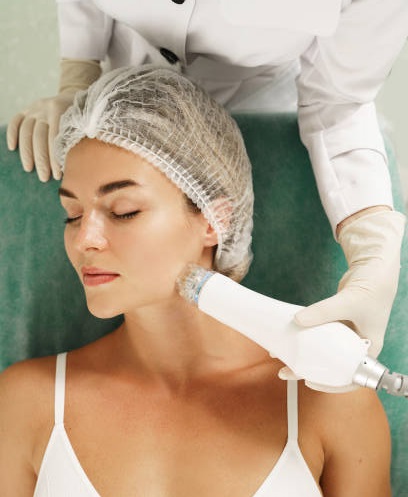
Smooth, radiant skin is something many strive for, yet concerns like acne scars, fine lines, enlarged pores, and early signs of aging often stand in the way. Microneedling is a commonly performed aesthetic procedure that works by stimulating collagen and elastin production to support skin renewal.
In this article, we will explore exactly what microneedling is, the different types and variations of treatments available, what to expect during and after a session, and how advanced options like Potenza RF microneedling compare to traditional methods.
This guide is designed for anyone considering microneedling facial for the first time, weighing it against other skin treatments, or looking to enhance results with next-generation RF technology. If you are curious about whether microneedling is right for you, keep reading for the full breakdown.
What is Microneedling?
Microneedling, also known as collagen induction therapy, is a minimally invasive skin treatment that uses ultra-fine needles to create controlled micro-injuries in the skin.
These micro-injuries may sound intimidating, but they are controlled and precise. What they actually do is stimulate your body’s natural healing response, encouraging fresh collagen and elastin to form. These are the structural proteins that keep skin firm, elastic, and plump.
As the skin repairs itself, two things happen:
- New collagen formation may help improve skin texture and reduce the appearance of scars, fine lines, and uneven areas over time.
- The microchannels created during treatment may enhance the absorption of topical products applied immediately after the procedure.
Because of these mechanisms, microneedling can be used to address a range of skin concerns. It commonly helps with
- Fade acne scars and soften surgical marks.
- Smooth fine lines and wrinkles for a refreshed look.
- Minimize the appearance of large pores.
- Improve pigmentation issues like sunspots or uneven tone.
- Enhance overall skin texture and radiance.
Microneedling aims to stimulate the skin’s natural repair processes, which may result in gradual improvements in skin appearance over time.
Types and Variations of Microneedling Treatments
Microneedling has come a long way since the early days of simple rollers. Today, there are several variations, each designed to target different skin goals.
Understanding the differences can help you select the option that best suits your needs.
1. Traditional Microneedling (Dermapen, Dermaroller, etc.)
This is the “classic” version most people think of when they hear microneedling. A tool with tiny needles, such as a dermaroller or Dermapen, is used to create micro-injuries across the skin’s surface.
It may be suitable for individuals with slight skin concerns, who want to smooth fine lines, soften mild acne scars, or refresh skin texture with little downtime. Think of it as a natural collagen boost, without anything too intense.
2. Microneedling with Serums or Growth Factors (PRP / PRF)
You may have heard of the “vampire facial” that celebrities rave about. This approach pairs microneedling with PRP (platelet-rich plasma) from your own blood, or with other medical-grade serums. Sometimes PRF (platelet-rich fibrin) is used instead of PRP.
The microchannels created by the needles allow these nutrients and growth factors to sink deep into your skin. This approach may support healing and may enhance improvements in skin texture and early signs of ageing.
3. RF Microneedling
RF microneedling builds on traditional microneedling by combining mechanical stimulation with radiofrequency energy. In addition to the micro-injuries, it delivers radiofrequency energy deep into the skin.
The added heat may stimulate collagen remodeling at deeper levels, which can support improvements in skin laxity, wrinkles, and acne scars.
Some individuals report longer-lasting improvements compared to traditional microneedling, although results vary.
4. Potenza RF Microneedling
Potenza is a radiofrequency microneedling device that offers adjustable treatment settings. What makes it special is its customization: doctors can adjust needle depths and choose between monopolar RF (for deeper tightening and lifting) and bipolar RF (for surface-level issues like pores and fine lines).
Potenza features a Fusion Tip designed to enhance the delivery of selected topical products during treatment.
This means treatments can be tailored for everything from fine lines and stretch marks to sagging skin, with the added bonus of enhanced product absorption.
How Microneedling Works: Procedure & What to Expect
If you are considering microneedling or RF microneedling, knowing what actually happens before, during, and after the session can help you feel more comfortable walking in.
Here is a step-by-step look at the process:
Pre-Treatment Preparation
Your journey usually starts with a consultation where the provider looks at your skin, reviews your concerns, and discusses whether microneedling or Potenza RF might be best.
A few simple guidelines often apply:
- Avoid retinoids, acids, or harsh exfoliants for at least a week before your session.
- Skip direct sun exposure or tanning to reduce sensitivity.
- Some clinics recommend starting with vitamin C or A serums in the weeks leading up to treatment to prime your skin for collagen stimulation.
During the Session
On treatment day, your skin will be cleansed and a topical numbing cream applied, which keeps you comfortable throughout. Once it kicks in, the practitioner uses a microneedling device (traditional or RF) to make controlled micro-injuries at customized depths.
- With traditional microneedling, this feels like light pricking or scratching.
- With RF microneedling (like Potenza), you may feel gentle warmth as radiofrequency energy penetrates deeper layers.
Most sessions last 30-60 minutes, depending on the area being treated. For Potenza, the provider may also use specialized tips to deliver serums or growth factors deeper into the skin.
Post-Treatment & Recovery
Immediately after, your skin will look red, similar to a mild sunburn, and may feel warm or tight.
This usually fades within 24-48 hours, though some people may stay pink for up to 3-5 days. Here is what recovery typically looks like:
- Day 1-2: Redness, sensitivity, and slight swelling. Stick to a gentle cleanser, fragrance-free moisturizer, and broad-spectrum sunscreen.
- Day 3-5: Skin may feel dry or start to flake slightly as it renews. Avoid makeup, heavy sweating, and direct sun exposure.
- Day 5 onwards: Skin begins to look fresher, smoother, and brighter. Improvements continue over the following weeks as collagen rebuilds.
Most people return to normal routines quickly, which is why microneedling facial is often called a “lunchtime procedure.”
Some individuals may begin to notice changes in skin texture within the first few weeks, with continued improvement over time.
Microneedling Benefits & Results
Microneedling is widely discussed in skincare due to its collagen-stimulating mechanism and gradual improvements in skin appearance.
Instead of masking issues, it encourages your skin to repair itself, which means improvements unfold gradually and look authentic, not “overdone.”
Improvements You Can Expect
After microneedling, many people first notice that their skin feels smoother and fresher, almost like a natural filter has been applied.
Over several weeks, some individuals may observe softer-looking scars, reduced pore appearance, and smoother-looking skin. For those struggling with uneven skin tone or sun damage, treatments often bring a brighter, more even complexion.
And because collagen and elastin are the real heroes here, the improvements go beyond the surface, leaving your skin stronger and more resilient over time.
When You Will See Changes
Microneedling facial is not a one-and-done quick fix, but that is part of what makes it effective:
- Right after your session, your skin may look flushed, but also a little plumper and more radiant.
- Within 1-2 weeks, you will likely notice subtle improvements in smoothness and glow.
- By weeks 4-6, collagen production really kicks in, which means firmer skin, softened lines, and fading scars.
- Collagen remodeling typically continues for several weeks, with improvements varying between individuals.
Most people benefit from a series of 3-6 treatments, spaced about a month apart. After that, a yearly touch-up can help maintain the glow.
Comparing the Options
- Traditional Microneedling: Great if you are starting out or want to gently improve texture, mild scars, or fine lines. Results are real, but they take longer and may require more sessions.
- RF Microneedling: By adding radiofrequency energy, you get a deeper tightening effect. This is especially helpful if you’re dealing with sagging skin, wrinkles, or more stubborn acne scars.
- Potenza RF Microneedling: Think of this as the “smart upgrade.” It is customizable, adjusting depth, RF modes, and even pushing serums deeper into the skin with its Fusion Tip.
That makes it versatile enough to tackle everything from pores and pigmentation to stretch marks and skin laxity, with results that arrive sooner and last longer.
Who is a Good Candidate, and Who Should Be Careful
Microneedling is a great option for anyone who wants healthier, smoother skin without going under the knife. It is especially helpful if you are in your 20s to 50s and dealing with acne scars, enlarged pores, fine lines, uneven tone, or just dull texture. If your skin is generally healthy and you are patient enough to let results build gradually, you are likely a good candidate.
That said, timing matters. If you have active breakouts, infections, a fresh sunburn, or you are pregnant or breastfeeding, it is best to wait. Conditions that flare with heat, like melasma or rosacea, also require extra caution with RF microneedling.
Microneedling is generally considered suitable for a wide range of skin tones, although suitability should be assessed individually. Just be sure you are working with an experienced provider who can guide your aftercare, especially if you are prone to pigmentation.
Risks, Side Effects & Safety Measures
Microneedling is safe for most people, but it is normal to see some short-term effects. Your skin may look a little red, slightly swollen, or feel warm, like a mild sunburn, for a day or two. Some people also notice light peeling or dryness as their skin renews itself. The bigger risks, such as infection, scarring, or unwanted pigmentation, are rare and usually linked to at-home rollers or untrained providers.
That is why it is important to have the treatment done in a professional setting.
In reputable clinics, safety is the priority: they use sterile, single-use needles, carefully adjust settings to match your skin, and walk you through clear aftercare steps to support healing. Many also begin with a consultation or patch test to be sure your skin is a good fit.
When performed by a qualified medical professional, RF microneedling is generally well tolerated, with risks explained during consultation.
Microneedling vs Other Skin Rejuvenation Treatments
Traditional microneedling Singapore is a great entry point for smoother texture, softer scars, and refined pores. But if you are dealing with loose skin, deeper wrinkles, or stubborn acne scars, RF microneedling combines mechanical stimulation with radiofrequency energy to target deeper skin layers.
By combining needles with radiofrequency energy, it works deeper, tightening and firming from within.
Other popular skin treatments include:
- Chemical peels: Good for surface pigmentation and mild texture, but results fade quickly.
- Microdermabrasion: A gentle exfoliation option with minimal downtime, best for brightening, not deeper repair.
- Lasers (ablative/non-ablative): Effective for pigmentation, scars, and wrinkles, but often carry higher risks of irritation or pigmentation changes, especially for darker skin.
Potenza RF microneedling may be considered for individuals seeking treatment for skin laxity and deeper concerns, depending on suitability.
It bridges the gap between traditional microneedling and aggressive laser treatments.
Sessions & Maintenance
Microneedling is not a one-and-done treatment; it works best when done in a series so your skin has time to rebuild. With traditional microneedling, most people need about 3-6 sessions spaced a month apart to see real changes in scars, pores, or overall texture. RF microneedling, and especially Potenza, usually delivers results faster because the radiofrequency energy works deeper.
Many people notice a difference after the first couple of sessions, but a full plan of 3-4 treatments often gives the best long-term lift and smoothing. After you have completed your initial series, a maintenance session every 6 -12 months helps keep collagen production active and results looking fresh. Think of it like a skin reset; your skin keeps aging, but regular tune-ups can slow the visible signs. Your provider will adjust the exact schedule to your skin’s needs and goals, so the plan always feels personalized.
Conclusion
Microneedling is a commonly used non-surgical procedure aimed at improving skin texture and appearance. It helps smooth scars, refine pores, soften fine lines, and restore a natural glow, all by working with your body’s own collagen and elastin.
While traditional microneedling Singapore is great for texture and mild concerns, RF microneedling targets deeper skin layers and may provide sustained improvements, depending on individual response.
The key is choosing the right approach for your skin. A professional consultation will help you understand whether traditional microneedling, RF microneedling, or Potenza is the best fit for your goals.
Treatment plans are developed following a clinical assessment to address individual skin concerns.
If you would like to explore whether microneedling is suitable for you, you may book a consultation with a qualified medical professional.
FAQs
1. What is microneedling, and how does it work?
Microneedling uses tiny needles to create controlled micro-injuries on the skin. This may sound scary, but it simply jumpstarts your body’s healing process, boosting collagen and elastin for smoother, firmer skin.
2. How is RF microneedling different from regular microneedling?
Traditional microneedling works on the surface, while RF microneedling adds radiofrequency energy that penetrates deeper. This makes it better for tackling sagging skin, deeper wrinkles, and stubborn scars.
3. How many sessions will I need to see results?
It depends on your skin goals. Most people need 3-6 sessions with traditional microneedling, while Potenza often shows improvements in just 3-4 treatments. Maintenance once or twice a year helps keep results.
4. Is microneedling safe for all skin types?
Microneedling, including RF options such as Potenza, is generally considered suitable for various skin tones, subject to medical assessment. Just be sure it is done by a trained professional to minimize risks like irritation or pigmentation.