
Key Takeaways
- Facial volume loss may present as flatter cheeks, under-eye hollows, temple hollowing, reduced jawline definition, or a less contoured facial appearance.
- Age-related changes in collagen, facial fat, bone structure, and skin quality can all contribute to changes in facial support and volume.
- Not all hollowing, shadowing, or sagging is caused by volume loss alone. Declining skin quality may also play a role.
- Clinical assessment helps determine whether visible changes are driven primarily by skin quality, structural volume loss, or a combination of both.
- Depending on the findings, treatment may focus on skin-supportive approaches before volumising treatments like fillers are considered.
Introduction
Facial ageing does not always begin with obvious wrinkles or significant sagging. For many individuals, the earliest changes are far more subtle. Your face may appear slightly less defined, under-eye shadows may become more noticeable, or your cheeks may seem flatter than before.
These changes are often associated with facial volume loss, but the underlying cause is not always straightforward. Factors such as age-related collagen decline, skin quality, and fat distribution can all influence facial contours.
Below, we look at the early signs of facial volume loss, what may contribute to them, and how treatment planning is approached.
What Are the Early Signs of Facial Volume Loss?
Early changes in facial volume are often subtle and may develop gradually over time. Common signs include:
- Reduced fullness in the cheeks, resulting in a flatter mid-face appearance
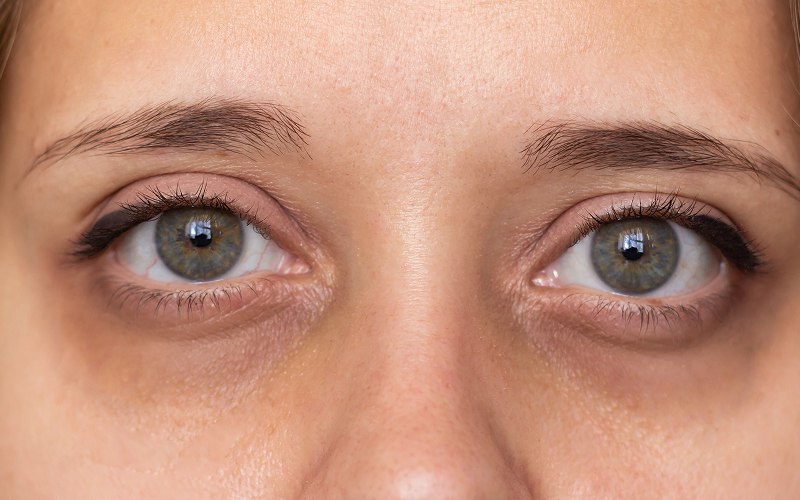
- Under-eye hollows or shadowing that create a tired-looking appearance
- Hollowing in the temples
- Reduced jawline definition
- Increased prominence of facial folds such as the nasolabial folds
- A general loss of facial contour and support
What Causes Changes in Facial Volume?
Facial ageing is a multifactorial process involving both superficial and deeper tissues.
1. Natural Ageing
As we age, several structural changes occur simultaneously within the face. Collagen and elastin production gradually decline, facial fat compartments may shrink or shift position, and the skin becomes less able to maintain its firmness and support. Together, these changes can contribute to flattening of the cheeks, increased shadowing beneath the eyes, and reduced facial definition.
2. Bone Resorption
The facial skeleton provides the foundation that supports the overlying soft tissues. With age, certain areas of the facial bones may undergo gradual resorption, meaning that bone volume slowly decreases over time. This is particularly noticeable around the eye sockets, cheeks, and jawline.
As structural support diminishes, the soft tissues above may appear less supported, contributing to hollowing, contour changes, and the appearance of facial volume loss.
3. Weight Loss
Significant weight loss can affect facial appearance because facial fat is often reduced alongside body fat. In some individuals, this may result in less fullness in the cheeks, temples, or under-eye region. The effects may be more noticeable in people who naturally have lower facial fat reserves.
4. Environmental Stressors
Long-term exposure to ultraviolet (UV) radiation, pollution, smoking, and other environmental stressors can accelerate collagen degradation within the skin. Over time, this may reduce skin elasticity, impair the skin’s repair processes, and weaken dermal support.
Although environmental factors do not directly remove facial volume, they can make age-related volume changes appear more pronounced by affecting the quality and resilience of the surrounding tissues.
5. Genetics
Genetics influence many aspects of facial ageing, including bone structure, facial fat distribution, skin thickness, and collagen production. Some individuals may naturally develop hollowing in certain areas earlier than others, while others retain facial fullness for longer despite similar lifestyle factors. Genetic differences can also affect how and where facial volume loss becomes visible, which is why ageing patterns often vary between individuals.
How Clinics Assess Facial Volume Loss
Facial ageing can affect multiple layers of the face, including the skin, fat, connective tissues, and underlying bone structure. This means that concerns such as hollowing, shadowing, or sagging may not be caused solely by volume loss. At AEON Medical & Aesthetic Centre, an aesthetic clinic in Singapore, we focus on identifying which changes are affecting the face and how much each factor is contributing.
Step #1: Review Key Areas of Concern
During the consultation, our clinicians examine areas where volume changes are most commonly seen, including the cheeks, temples, under-eye region, and jawline. They will assess whether visible changes are caused by a reduction in tissue volume, sagging, changes in skin quality, or a combination of these factors. We will also map out the areas of flattening, hollowing, and shadowing to better understand how they affect your overall facial balance.
Step #2: Medical History and Lifestyle Evaluation
A patient’s medical history can provide clues about why certain changes are occurring. For example, significant weight loss may reduce fullness in the cheeks and temples, while long-term sun exposure can contribute to collagen breakdown and skin laxity. We will also review previous aesthetic treatments, as they can influence both facial appearance and future treatment planning.
Step #3: Comprehensive Skin Analysis
At AEON Medical & Aesthetic Centre, we use VISIA skin analysis, a non-invasive imaging system, as part of the assessment process. This technology captures high-resolution photographs of the skin under different lighting conditions, allowing clinicians to closely evaluate your skin texture, pigmentation, pore visibility, UV-related damage, and visible signs of ageing.
The findings from the consultation and skin analysis are then considered alongside your individual concerns and treatment goals.
Supporting Skin Quality Before Restoring Volume

If declining skin quality is contributing more to visible ageing than true facial volume loss, we may prioritise skin-rejuvenating and hydrating treatments before considering fillers. A possible treatment approach may include:
Hyaluronic Acid (HA) Skin Booster
A HA skin booster may be recommended when dehydration, reduced elasticity, or declining skin quality contributes to visible ageing changes. HA is a naturally occurring molecule that helps the skin retain water. As levels decrease with age, the skin may become less hydrated and appear less supple.
By improving hydration within the skin, HA boosters can help improve skin texture, elasticity, and overall skin quality. This can help reduce the appearance of facial ageing and make volume loss appear less visible.
Regenerative Injectable Treatments
Polynucleotide (PN) injections may be considered when visible ageing changes are driven more by declining skin quality than significant volume loss. For example, thinning skin, reduced elasticity, fine lines, and certain forms of under-eye hollowing may occur even when facial volume remains relatively unchanged.
Polynucleotides are DNA-derived molecules that can promote fibroblast activity, stimulate collagen production, and help maintain the extracellular matrix (ECM). By supporting the skin’s repair environment, they may help improve dermal resilience and overall skin quality.
Fillers
When structural support is genuinely required, we may recommend fillers. However, at AEON, these volumising treatments are used selectively and conservatively, guided by your individual anatomy and facial structure. By strengthening the skin, HA and PN treatments may help create a more stable foundation that allows any later volumisation to appear more natural and proportionate.
Conclusion
Facial volume loss often develops gradually, which is why the earliest changes can be easy to overlook. What begins as slightly flatter cheeks, increased under-eye shadowing, or reduced facial definition may become more noticeable over time. Seeking assessment early allows clinicians to identify these changes and determine which factors are contributing to them.
At AEON Medical & Aesthetic Centre, every patient undergoes a comprehensive consultation and VISIA skin analysis before any treatment recommendations are made. If you are concerned about changes in your facial contours, skin quality, or overall facial definition, contact our team to schedule a consultation with Dr Jeslin Wong today.