
Key Takeaways
- “Skin density” refers to how thick, firm, and well-supported the deeper layer of your skin is, including how well collagen fibres are arranged and how strong the skin’s internal support structure is.
- Declining dermal quality involves changes in fibroblast activity, extracellular matrix organisation, hydration, and repair capacity.
- Environmental stress, lifestyle factors, and natural ageing can gradually weaken the dermal scaffold.
- Treatment strategies may combine hydration support, regenerative injectables, and energy-based devices based on individual assessment.
Many individuals in their twenties and thirties may notice gradual shifts in how their skin behaves. It may not present as obvious sagging or deep wrinkles. Instead, the skin can feel less resilient than before. Minor breakouts may take longer to settle, and recovery may appear slower after a late night.
This is where skin density becomes relevant. Beyond surface texture, it reflects the structural integrity of the dermis, including collagen organisation, elastin support, and the overall skin health.
Below, we examine what influences dermal density over time and how changes within the skin’s architecture can affect its ability to maintain strength, elasticity, and repair capacity.
What is Skin Density?
Skin density describes how thick, compact, and resilient the deeper layer of your skin is. This layer, known as the dermis, contains collagen and elastin fibres, along with cells and supportive structures that help maintain strength and elasticity. These components work together to form a stable internal framework.
When this framework is well organised, the skin tends to feel firmer and better able to recover from daily stress. As the density gradually decreases, the skin may feel thinner, less elastic, and slower to repair. These changes occur beneath the surface and are linked to shifts in cellular activity and structural support over time.
What Affects Skin Density?
1. Collagen, Elastin, and the Dermal Environment
Collagen gives the skin strength, while elastin allows it to stretch and return to shape. These fibres are important, but skin density also depends on how well the surrounding environment supports them. Fibroblast activity tends to decline gradually with age, which may reduce collagen synthesis over time.
As a result, the skin may begin to feel thinner or less firm. It may not recover as quickly after inflammation or environmental stress, and fine lines can appear more noticeable even without significant volume loss.
Treatment Options and Considerations
Depending on clinical findings, a medical aesthetics clinic like AEON may recommend:
- Injectables such as polynucleotide treatments, which may support fibroblast activity and dermal repair mechanisms
- Energy-based devices such as HIFU or radiofrequency skin tightening, which are designed to stimulate collagen remodelling at targeted depths
- Radiofrequency microneedling (RFMN), which combines mechanical stimulation with thermal energy to encourage collagen regeneration
These modalities are typically layered according to the patient’s dermal condition rather than used in isolation.
2. Hydration
Water content within the dermis plays a key role in how dense and elastic the tissue feels. The deeper layer of the skin contains water-binding components that help keep collagen fibres properly spaced and supported. When hydration levels drop, this internal support system becomes weaker, causing the skin to feel less resilient.
Treatment Options and Considerations
When chronic dehydration or barrier impairment is identified as a contributing factor, the first step is often to restore moisture balance. This may involve:
- Barrier-supporting topical skincare formulated with humectants and ingredients that help improve moisture retention
- Hyaluronic acid (HA) skin boosters can enhance dermal hydration and support tissue quality without acting as a traditional volumising filler.
In cases with deeper structural changes, the doctor may recommend carefully selected combinations of hydration-focused treatments with regenerative or energy-based procedures.
3. Environmental Stress and Cumulative Dermal Change
Singapore’s high ultraviolet (UV) index and urban pollution levels can accelerate oxidative stress within the skin. UV exposure increases reactive oxygen species (ROS), which upregulates matrix metalloproteinase (MMP) activity. This, in turn, degrades collagen and the ECM. Over time, this weakens the dermal scaffold and may lower skin density.
Treatment Options and Considerations
Management typically focuses on both protection and structural support. Consistent use of broad-spectrum sunscreen and antioxidant-based skincare forms the foundation of this approach. This can help reduce ongoing stress and limit further breakdown of collagen.
If there are signs of cumulative photodamage, such as increased skin laxity and uneven texture, energy-based treatments like HIFU may be introduced. In some cases, skin-conditioning injectables may also be considered to reinforce the skin’s natural repair processes.
4. Lifestyle Factors
Skin density is also affected by overall health and daily habits. Poor sleep, nutritional deficiencies, chronic stress, and smoking can impair fibroblast activity and disrupt ECM organisation. These changes can reduce skin quality over time.
Treatment Options and Considerations
Supporting dermal health involves addressing these underlying factors. Patients should:
- Prioritise balanced meals with adequate protein and micronutrients
- Maintain regular sleep patterns
- Manage stress levels
- Avoid or quit smoking
In addition to these lifestyle changes, clinical treatments like HA and polynucleotide injectables may be considered where dermal thinning or reduced repair capacity is observed.
5. Natural Ageing
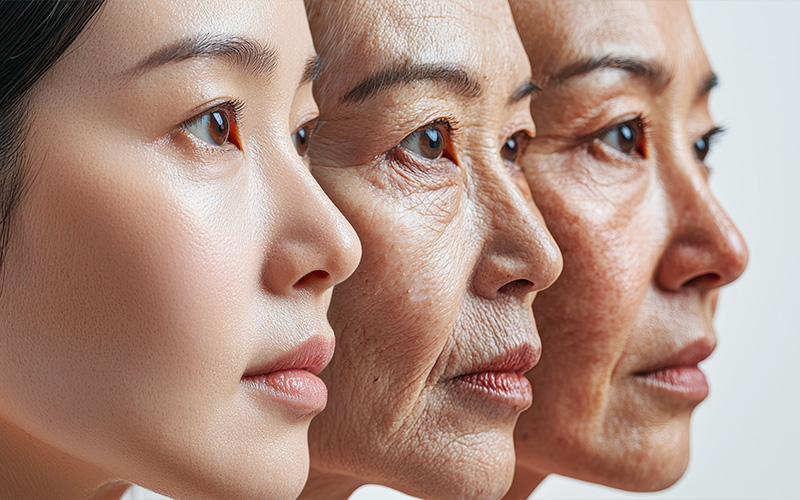
Even in the absence of excessive sun exposure or lifestyle-related stress, biological ageing leads to gradual thinning of the dermis. Fibroblast numbers decrease with time, collagen production slows, and elastin fibres become less organised. The ECM also undergoes structural changes that affect how tightly fibres are arranged. Certain facial areas, such as the cheeks or jawline, and thinner body areas may show these changes more visibly.
Prevention and Management Tips
While intrinsic ageing is a natural process, changes in skin density can be monitored and managed through regular professional assessments. Depending on what is identified during consultation, the approach is tailored according to whether hydration, repair capacity, or structural support is the main concern.
Conclusion
Changes in skin density occur gradually and are influenced by hydration balance, collagen production, environmental exposure, lifestyle habits, and intrinsic ageing. Rather than reflecting a single cause, reduced dermal density usually represents a combination of structural and biological shifts within the skin. Understanding these mechanisms can help you make more informed decisions about your skincare.
At AEON Medical & Aesthetic Centre, assessment begins with a formal consultation led by Dr Jeslin Wong, supported by VISIA skin analysis to document baseline dermal characteristics. Treatment planning is guided by individual findings, whether the focus is hydration, repair capacity, or structural support. Make an appointment with us today to discuss treatment options tailored to your needs.